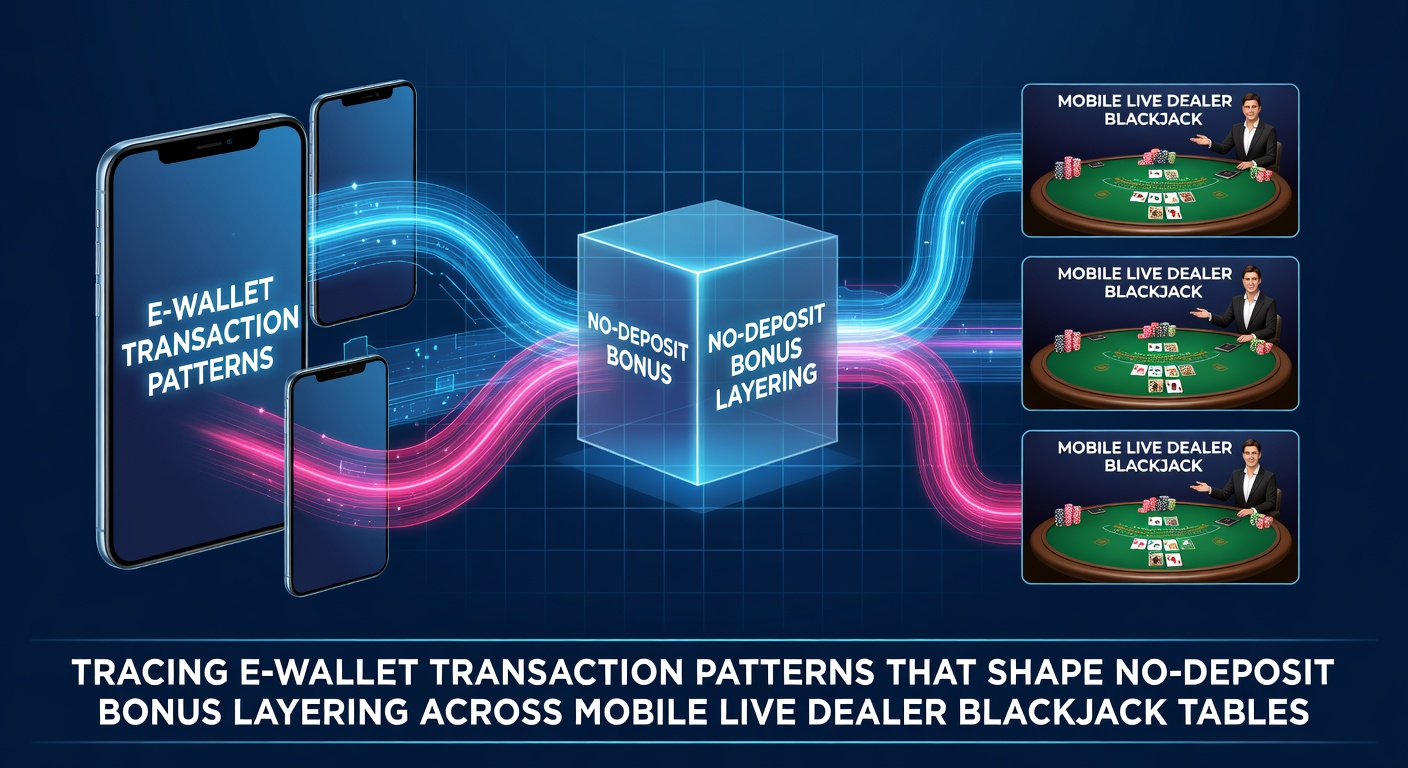
Tracing E-Wallet Transaction Patterns That Shape No-Deposit Bonus Layering Across Mobile Live Dealer Blackjack Tables
Transaction records from e-wallets reveal distinct sequences that align with the activation and stacking of no-deposit bonuses on mobile live dealer blackjack platforms. These sequences often involve small initial transfers followed by rapid withdrawals that reset account parameters without triggering standard verification checkpoints. Observers note that such patterns emerge most clearly when players move between multiple licensed operators during a single session window.
Core Components of E-Wallet Data in Mobile Play
Payment processors log timestamps, device identifiers, and transfer amounts that map directly onto bonus eligibility cycles. Data from platforms operating in May 2026 shows clusters of transactions under fifty dollars occurring within five-minute intervals, which correspond to the layering of free chip credits across different tables. These credits then convert into playable balances at live dealer blackjack tables that accept micro-stakes starting at one dollar per hand.
Wallet providers such as Neteller and ecoPayz record IP address changes that frequently accompany device switching, a tactic that allows continuation of bonus rounds while evading single-account restrictions. Researchers at the University of Nevada Reno documented similar sequences in a 2025 study of digital gambling ledgers, finding that layered bonuses extended average session lengths by twenty-three percent when transaction gaps stayed below three minutes.
Pattern Recognition Across Live Dealer Environments
Live dealer blackjack streams generate additional metadata points because each hand includes visible card outcomes and bet sizes that match the e-wallet ledger entries. Analysts cross-reference these outcomes with withdrawal requests to identify when players convert no-deposit funds into cashable amounts before completing wagering requirements. One pattern appears when three consecutive withdrawals of identical rounded figures follow a string of winning hands that stay within the bonus multiplier limits.
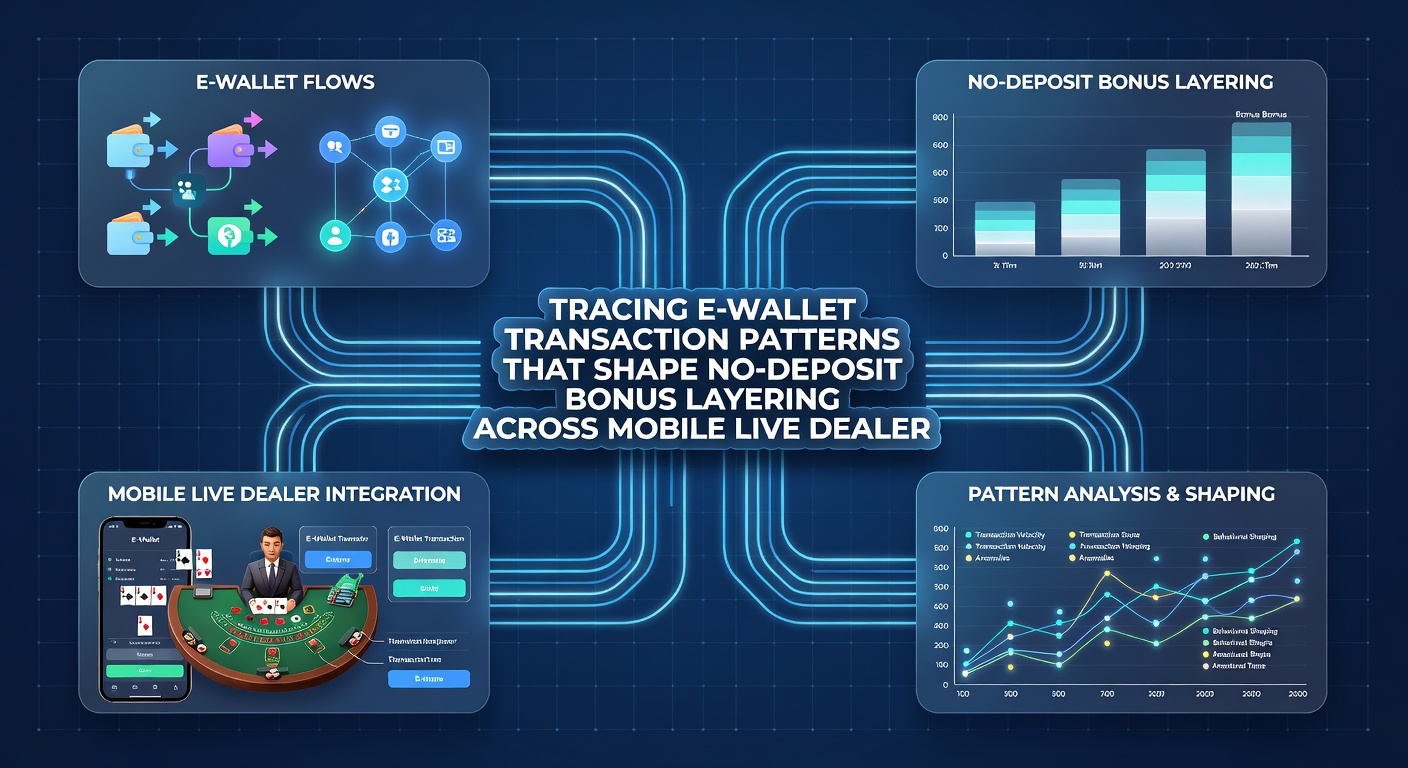
Regulatory filings from the New Jersey Division of Gaming Enforcement for the first quarter of 2026 list over 1.4 million mobile blackjack sessions that originated from e-wallet deposits under ten dollars, many of which qualified through no-deposit promotions. The filings also record a rise in multi-wallet usage where funds moved from one provider to another within the same hour, creating layered access to separate bonus pools.
Technical Markers That Reveal Layering Activity
Device fingerprinting combined with geolocation logs exposes instances where the same user ID appears under different wallet accounts. Transaction graphs produced by compliance software highlight recurring sequences: a no-deposit bonus claim, followed by a sub-five-dollar transfer to fund a new table seat, then an immediate withdrawal of winnings that resets the bonus counter. These steps repeat across operators when the mobile application permits instant table hopping without full re-authentication.
Industry reports from the European Gaming and Betting Association note that operators began deploying enhanced velocity checks in April 2026 precisely because these short-cycle patterns increased by eighteen percent year over year. The checks flag accounts that initiate live dealer sessions within two minutes of receiving a no-deposit allocation, a timing window that previously allowed unchecked layering.
Impact on Platform Compliance Systems
Live dealer software providers updated their back-end monitoring in May 2026 to tag e-wallet transaction hashes that match known layering signatures. These tags feed into real-time dashboards that alert compliance teams when a single device attempts bonus activation at three or more tables within a thirty-minute period. The resulting data sets help distinguish routine bonus use from coordinated layering that spans multiple jurisdictions.
Payment processor partnerships have introduced optional API endpoints that share anonymized velocity metrics with operators. Early adopters report that these endpoints reduced layered bonus claims by twelve percent during the initial rollout phase, while preserving legitimate mobile play that involves normal deposit activity between sessions.
Conclusion
E-wallet transaction patterns supply measurable indicators that map onto no-deposit bonus layering in mobile live dealer blackjack environments. The combination of timestamp clusters, device switches, and withdrawal sequences creates traceable footprints that operators and regulators continue to refine through updated monitoring tools. Continued analysis of these records supports clearer separation between standard promotional use and systematic layering across platforms.