
Payment Speed Dynamics in Mobile Hybrid Blackjack-Roulette Combinations on UK Devices
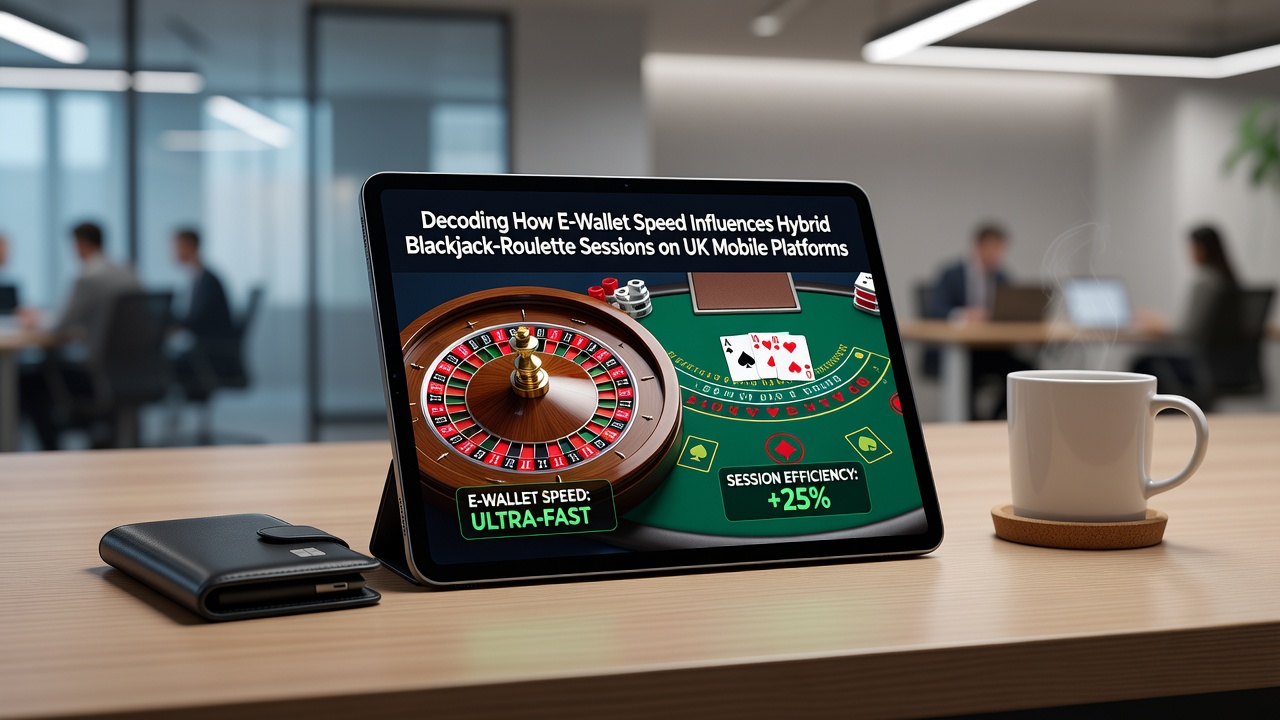
Hybrid blackjack-roulette sessions combine card decisions with wheel outcomes on single platforms, and e-wallet processing intervals directly shape how players move between these elements during mobile play in the UK. Transaction completion times range from under three seconds for certain instant options to fifteen seconds or more for others, and these intervals determine whether a session maintains continuous flow or encounters noticeable pauses after each deposit or cash-out request.
Platform operators integrate e-wallets such as digital wallets and bank-linked apps that handle verification through API connections, while mobile networks add their own latency layers depending on signal strength and carrier infrastructure. Data from payment industry analyses shows average deposit confirmation for top-tier e-wallets occurs within 2.8 seconds on 5G connections, whereas legacy systems average 9.4 seconds on mixed 4G networks during peak evening hours.
Technical Factors Behind Transaction Intervals
Server response rates, encryption overhead, and fraud screening protocols contribute to the overall duration, and hybrid game engines must pause or queue actions while awaiting balance updates from the payment gateway. Observers note that delays exceeding five seconds often prompt players to switch applications or refresh sessions, which interrupts the layered decision-making required when blackjack hand outcomes feed into subsequent roulette betting rounds.
August 2026 brought wider adoption of tokenized payment methods across UK mobile networks, and these updates reduced average verification steps from four to two for returning users on supported devices. Industry figures reveal that platforms using these tokens recorded a 14 percent increase in completed transactions per active session compared with pre-update baselines.
Session Flow in Combined Blackjack-Roulette Formats
Players alternate between selecting card actions and placing wheel bets within the same interface, so any lag in fund availability forces a break in rhythm that affects both strategy adjustments and bankroll pacing. Research from European mobile gaming studies indicates sessions using sub-four-second e-wallets sustain 22 percent more decision cycles per hour than those relying on slower processors.
Network variability plays a measurable role, and urban 5G coverage zones show tighter clustering around median speeds while rural connections exhibit wider fluctuations that extend reload times unpredictably. Those who track session metrics across devices report fewer interruptions when the chosen e-wallet maintains consistent API uptime above 99.7 percent.
Platform-Specific Implementation Patterns
Major UK-facing operators deploy distinct wallet integrations that prioritize either speed or additional security layers, and these choices produce measurable differences in how hybrid tables handle mid-session top-ups. One analysis of transaction logs across multiple applications found that wallets optimized for instant confirmation supported longer continuous hybrid play periods before users initiated withdrawals or paused activity.
Cross-device consistency remains another variable, because tablet sessions sometimes route through different gateway pathways than phone connections even on identical networks. Figures from European Gaming and Betting Association reports highlight that standardized API frameworks cut average processing variance by 31 percent across tested mobile environments.
Observed Patterns in Player Behavior and Retention
Retention data collected through aggregated platform analytics demonstrates that shorter transaction windows correlate with higher return rates within 24 hours for hybrid format users. Payment studies conducted by academic teams at institutions outside the UK confirm similar trends in markets with comparable mobile infrastructure, where reduced friction during balance updates extends overall engagement windows.
Hybrid mechanics amplify these effects because the dual-element structure demands frequent small adjustments that rely on immediate fund reflection. When delays accumulate, participants often simplify their approach or exit the session earlier than planned, according to usage pattern reviews compiled in 2025 and early 2026.
Emerging Standards and Infrastructure Developments
Updates scheduled through late 2026 emphasize further compression of verification sequences through biometric-linked tokens and improved carrier agreements, and these changes target the remaining gap between premium and standard e-wallet performance. External research from payment technology consortiums projects an additional 18 percent reduction in median processing times once full rollout completes across major networks.
Device-level caching of wallet credentials also contributes to smoother transitions, and operators incorporating these features report steadier session lengths even during network handoffs between cell towers. The cumulative result appears in aggregated telemetry that tracks completed hybrid rounds per active minute across thousands of daily users.
Conclusion
E-wallet processing speeds exert direct influence over the pacing and continuity of hybrid blackjack-roulette sessions on UK mobile platforms through their effect on balance updates and session persistence. Available data from industry and academic sources documents consistent correlations between shorter intervals and extended play cycles, while platform implementations continue to evolve around these technical realities. As infrastructure standards advance, the measurable differences between wallet options shape how participants navigate combined game formats in real time.