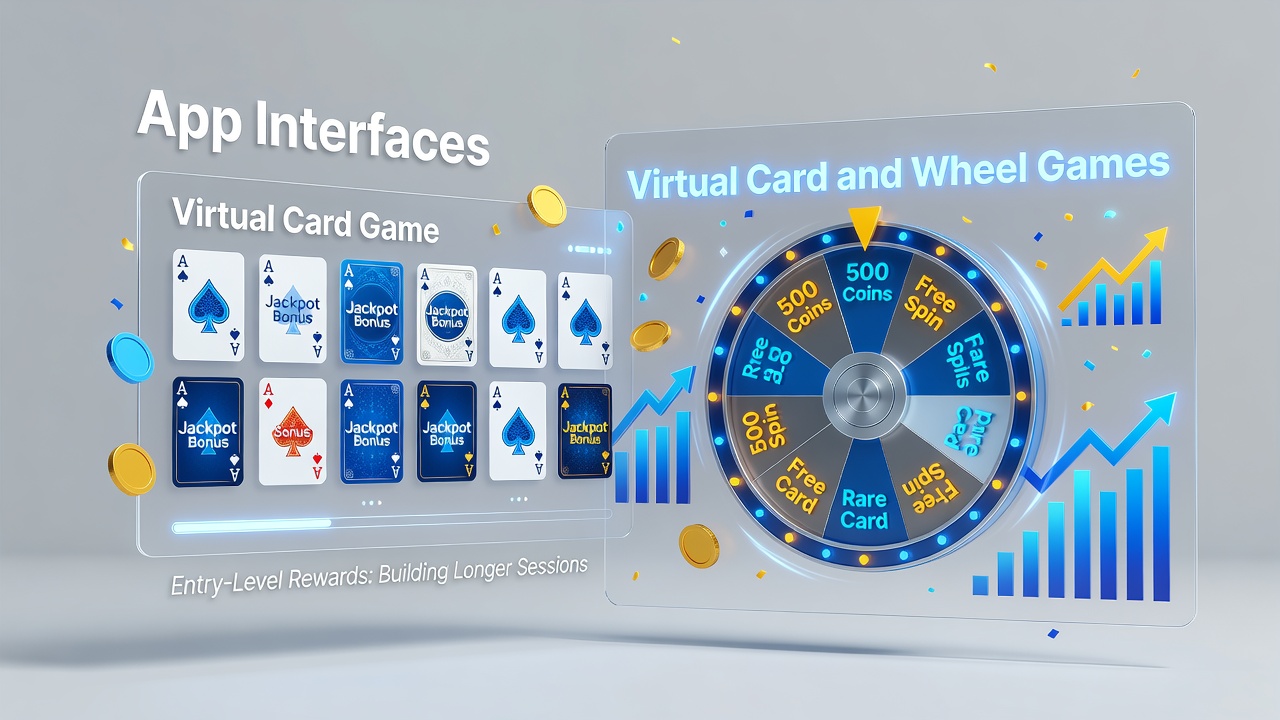
Optimizing Mobile Designs and Starter Incentives for Extended Engagement in Digital Card and Wheel Titles
Developers continue refining app interfaces in virtual card and wheel games because these elements directly influence how long users remain active during a single session; intuitive navigation combined with entry-level rewards creates pathways that encourage repeated spins or hands without abrupt stops. Observers note that smooth transitions between screens, clear button placement, and responsive touch controls reduce friction points that might otherwise prompt early exits.
Core Components of Interface Design
Effective layouts in these applications prioritize visual hierarchy so players can locate game options, account balances, and reward notifications within seconds of opening the app. Researchers at the University of Nevada, Reno have documented how color-coded sections and minimal menu layers contribute to sustained focus during card games such as blackjack or wheel-based titles like roulette. Data from industry reports indicate that apps employing swipe gestures for bet adjustments and one-tap history views see measurable increases in average session duration compared with cluttered alternatives.
Animations play a supporting role when calibrated properly because subtle card flips or wheel spins maintain immersion while avoiding overload that could slow performance on older devices. Those who study user behavior find that loading times under two seconds correlate with higher retention rates, and developers often integrate progressive web app features to achieve this across operating systems. Accessibility options including adjustable text sizes and high-contrast modes further broaden appeal, allowing broader demographics to participate without technical barriers interrupting flow.
Mechanics Behind Entry-Level Rewards
Entry-level rewards typically arrive as welcome credits, matched deposits, or free rounds that activate immediately upon registration or first deposit, giving new users capital to explore games without immediate financial commitment. These incentives function as onboarding tools that lower the threshold for longer initial play periods, especially in virtual environments where card and wheel mechanics reward experimentation. Studies show reward structures tied to achievable milestones, such as completing a set number of hands, tend to extend sessions beyond the initial credit allotment.
Operators structure these offers with clear terms so users understand wagering requirements and expiration windows, which helps prevent confusion that might shorten engagement. In July 2026 several platforms introduced tiered reward ladders that unlock additional credits after short play intervals, creating natural progression markers that keep momentum going. External data from the Alcohol and Gaming Commission of Ontario reveals that jurisdictions tracking reward uptake observe consistent patterns of extended session lengths when entry offers align with straightforward interface prompts.
Interaction Between Interfaces and Rewards
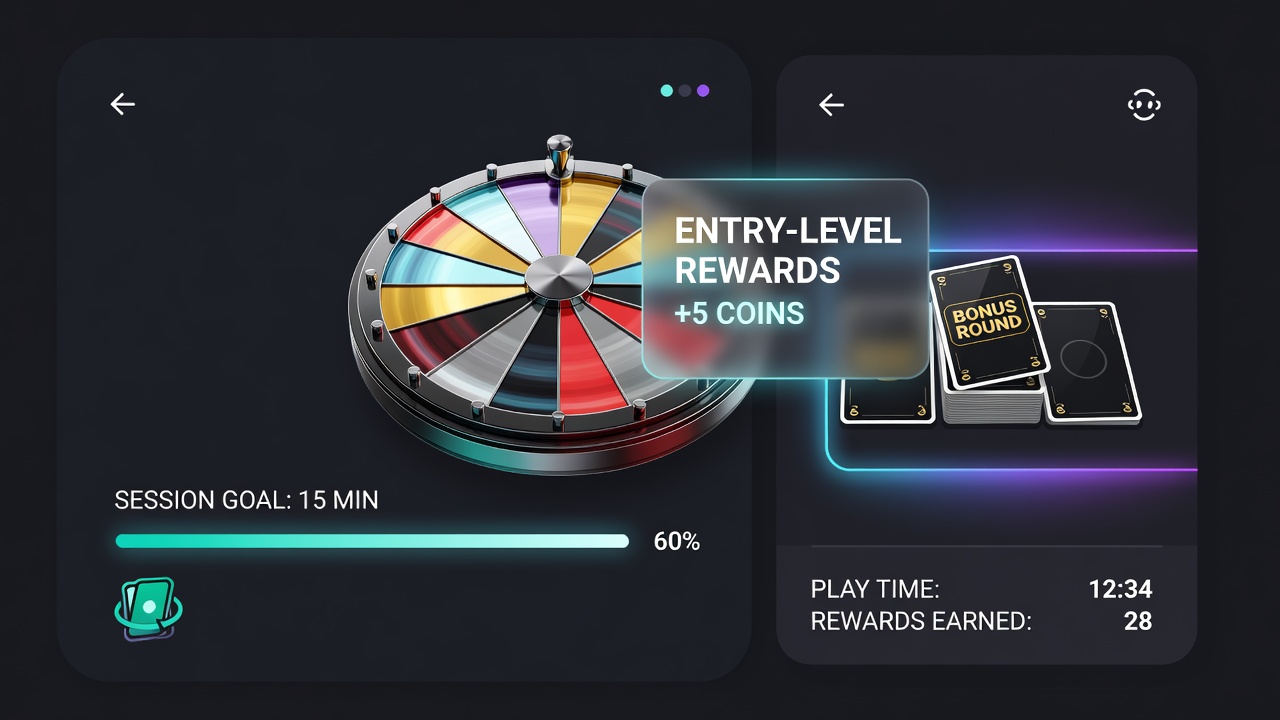
When interface elements highlight reward progress in real time, users receive constant feedback that reinforces continued participation. Progress bars positioned near the main game area, combined with push notifications for milestone achievements, create loops that extend time spent in card or wheel titles. Experts tracking mobile analytics note that seamless integration of these visual cues with reward redemption flows reduces drop-off rates during the transition from free credits to paid play.
Take one developer team that implemented contextual tooltips explaining reward conditions directly within the betting interface; session data afterward showed users completing more rounds before exiting. Such refinements work because they keep cognitive load low while the entry rewards provide the initial fuel, allowing players to build familiarity with game rules over extended periods. Cross-device synchronization ensures that progress carries over from phone to tablet, eliminating resets that could otherwise truncate sessions.
Observed Patterns in Session Extension
Analytics platforms report that apps combining responsive wheel animations with instant reward claims record average session times exceeding twenty-five minutes in many regions. Card game variants benefit similarly when quick-deal buttons and auto-hold features pair with bonus timers that count down visibly. Observers point out that geographic variations appear in reward preferences, with some markets favoring free spin bundles on wheel games while others respond more strongly to deposit-match credits in card environments.
Longer sessions also correlate with social features embedded in the interface, such as leaderboards that update live during play, yet these remain optional so they do not overwhelm core mechanics. Data collected through aggregated user logs demonstrate that reward systems refreshed monthly maintain novelty and prevent habituation that might otherwise shorten engagement windows. Regulatory frameworks in multiple jurisdictions require transparent display of reward conditions, which developers address through dedicated information panels accessible from the main dashboard.
Conclusion
App interfaces and entry-level rewards operate together as foundational elements that shape session length in virtual card and wheel games, with design choices around navigation, feedback, and reward visibility producing measurable effects on user behavior. Continued refinement in these areas reflects ongoing analysis of engagement metrics across diverse platforms and regions.