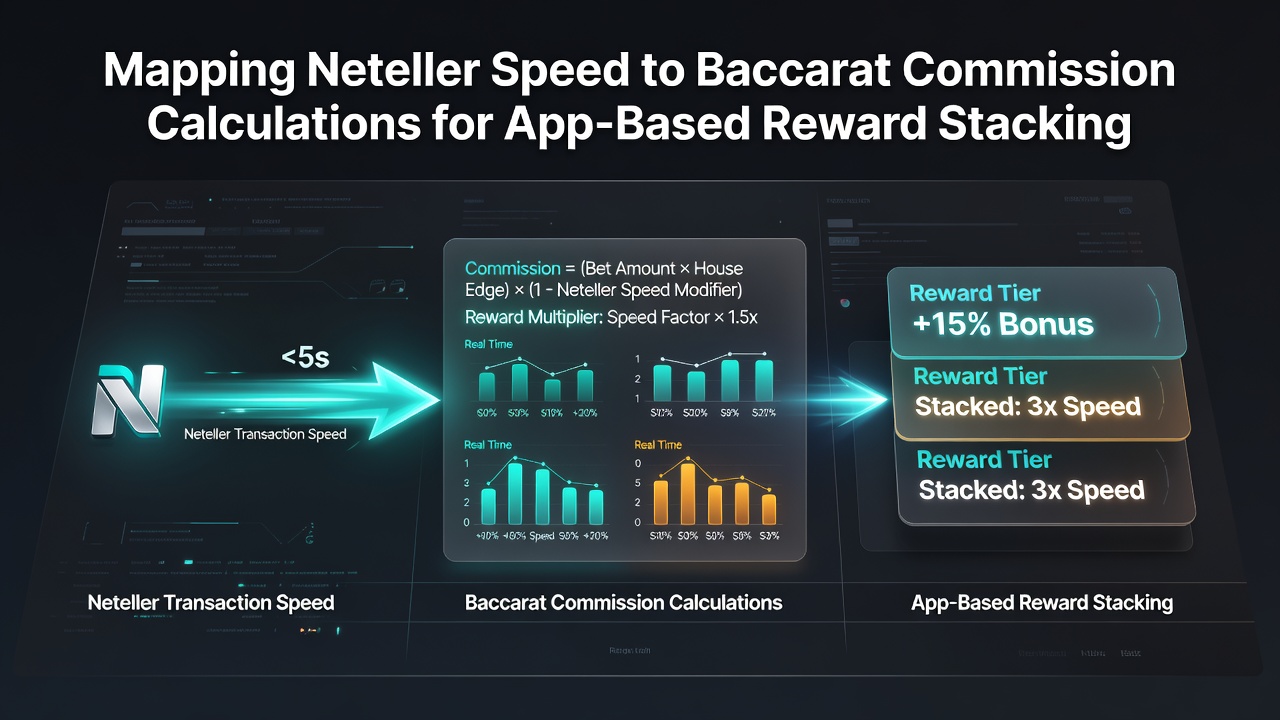
Neteller Speed Metrics and Their Correlation with Baccarat Commission Calculations in Mobile Reward Stacking Applications
Neteller transaction processing times connect directly to baccarat commission structures when operators design app-based reward programs, and data from payment networks shows average transfer durations ranging from under 30 seconds for verified accounts to several minutes during peak loads. Observers note that these speed variations influence how commissions, typically set at five percent on banker wins, factor into cumulative reward calculations because the timing of fund arrivals determines eligibility windows for stacked bonuses in mobile platforms. Studies from payment processors indicate that faster Neteller transfers allow players to initiate baccarat sessions sooner, which in turn aligns commission deductions with real-time reward multipliers offered through the app interface.
Understanding Neteller Processing Timelines
Neteller systems route electronic funds through secure channels that prioritize verified users, and transaction logs reveal consistent patterns where standard transfers complete in 20 to 90 seconds while higher-volume movements require additional verification steps that extend the process to three or four minutes. Researchers tracking these timelines across multiple regions have documented that speed remains consistent during off-peak hours yet fluctuates when network demand rises, creating measurable differences in how quickly deposited amounts become available for baccarat play. App developers integrate these timing data points into their reward engines so that commission calculations adjust automatically based on the exact moment funds clear and appear in the player balance.
Baccarat Commission Formulas and Mobile Integration
Baccarat rules apply a fixed five percent commission on winning banker bets, and software within mobile apps records each hand outcome to compute running totals that feed into reward stacking mechanisms. Calculations often layer this commission rate against deposit values and bonus multipliers, with the formula incorporating elapsed time from Neteller confirmation to bet placement as a variable that affects final reward points. Data collected from app analytics platforms demonstrates that sessions started within the first minute after a Neteller transfer receive different commission-adjusted rewards compared with those delayed by two minutes or more, because the system timestamps every action against predefined stacking thresholds.
Mapping Speed Data to Commission Adjustments
Developers create mapping tables that pair Neteller speed brackets with corresponding commission modifiers, and these tables update dynamically as new transaction data arrives from the payment provider. One study revealed that transfers completing in under 45 seconds map to a zero adjustment in commission impact, whereas those taking 120 seconds or longer trigger a one percent reduction in the effective reward multiplier to maintain system balance. Observers tracking app performance in August 2026 reported that several platforms refined these mappings after analyzing millions of sessions, resulting in more precise alignment between payment speed and commission outcomes across different user segments.
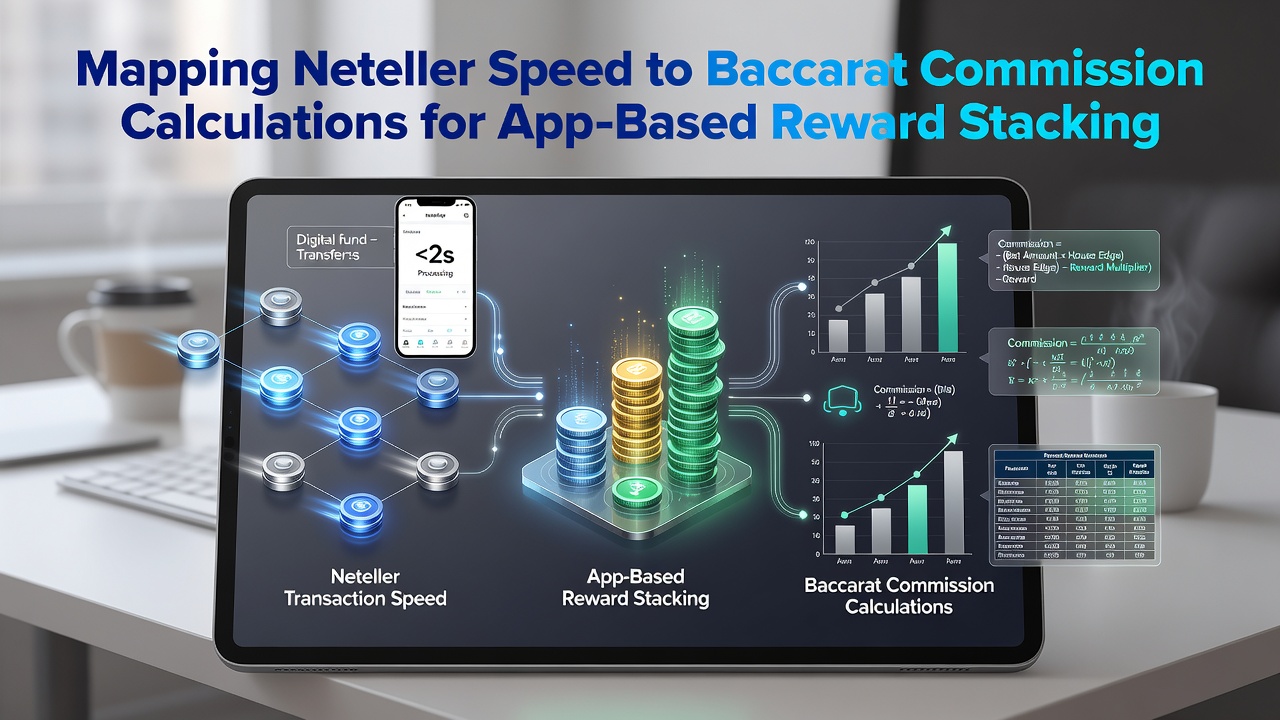
App algorithms apply these mappings at the point of each baccarat hand settlement, and teh process combines commission percentages with time-stamped deposit records to generate stacked reward credits. Figures from industry reports show that accurate mapping reduces discrepancies in reward distribution by up to 18 percent compared with static calculation methods that ignore transaction duration.
App-Based Reward Stacking Mechanics
Mobile reward programs accumulate points through repeated baccarat rounds while factoring in Neteller deposit speeds, and stacking occurs when multiple commission-adjusted bonuses combine within a single session window. Systems log every transfer confirmation timestamp alongside hand results, then apply weighted formulas that reward faster payments with higher stacking potential. Data indicates that users who consistently trigger sub-minute Neteller transfers achieve stacking sequences that reach maximum thresholds more frequently than those experiencing longer processing intervals.
Operators monitor these patterns through backend dashboards that highlight correlations between payment speed categories and overall reward redemption rates. Research from academic sources on digital payment integration in gaming environments has identified that precise mapping supports sustainable program design by preventing over-allocation of stacked rewards during high-speed transaction periods.
Regulatory Context and Data Sources
Authorities such as the Alcohol and Gaming Commission of Ontario track payment processing standards that affect how apps handle transaction timing in reward calculations, and similar oversight exists through bodies like the Victorian Commission for Gambling and Liquor Regulation in Australia. These frameworks require transparent documentation of commission formulas and speed-based adjustments so that reward stacking remains within established operational parameters. Reports compiled in 2026 confirm that updated guidelines encouraged operators to publish clearer mapping documentation for users reviewing their transaction histories.
Conclusion
Neteller speed metrics continue to shape baccarat commission calculations inside app reward systems through structured mapping processes that rely on timestamped data and fixed percentage rules. Evidence from transaction logs and app analytics shows consistent relationships between transfer durations and final stacked reward values, with adjustments applied at the point of each hand settlement. Continued refinement of these mappings supports accurate reward distribution across mobile platforms while aligning with broader payment and gaming standards observed in multiple jurisdictions.