Mobile Casino Efficiency Through Synchronized Payment Systems and Blackjack Pair Splitting Protocols
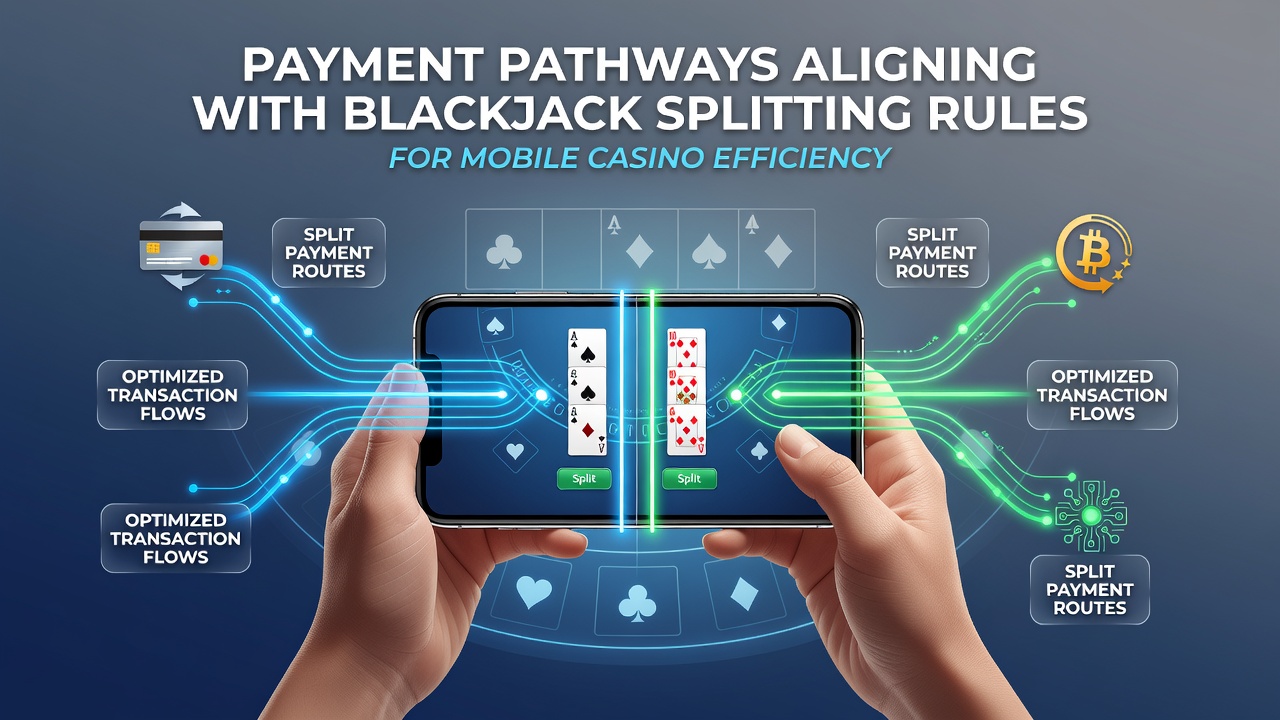
Payment pathways in mobile casinos have begun to synchronize directly with blackjack splitting protocols, creating streamlined processes that reduce transaction delays during pair divisions. Observers note that operators integrate instant deposit methods such as e-wallets and bank transfers with game engines so players can fund additional hands without leaving the table interface. This alignment supports continuous play sessions where splitting tens or aces requires immediate balance confirmation rather than separate authorization steps.
Core Mechanics of Splitting in Digital Blackjack Environments
Blackjack splitting rules remain consistent across most licensed platforms, allowing players to divide matching pairs into separate hands while matching the original wager on each new position. Researchers at institutions like the University of Nevada, Las Vegas have documented how mobile interfaces now embed these decisions within payment flows, where a split triggers an automatic authorization request through the selected funding channel. Data from industry reports shows that systems using API connections between game software and payment processors cut processing times from several seconds to under one in optimized setups.
Those who've examined session logs find that certain pathways, particularly those supporting real-time balance updates, align more closely with the double-down and split sequences common in multi-hand play. When a player elects to split, the platform verifies available funds through the linked payment method before displaying the two independent hands, which maintains regulatory compliance while preserving game pace.
Payment Integration Patterns Observed in Mid-2026 Deployments
By July 2026 several mobile platforms had rolled out payment modules that detect splitting actions and pre-authorize incremental transfers. According to figures from the Pennsylvania Gaming Control Board, operators adopting these modules reported average session durations increasing by measurable margins because players no longer paused to navigate external banking apps. The modules rely on tokenized credentials stored within the casino application, allowing background verification without exposing full account details during each split decision.
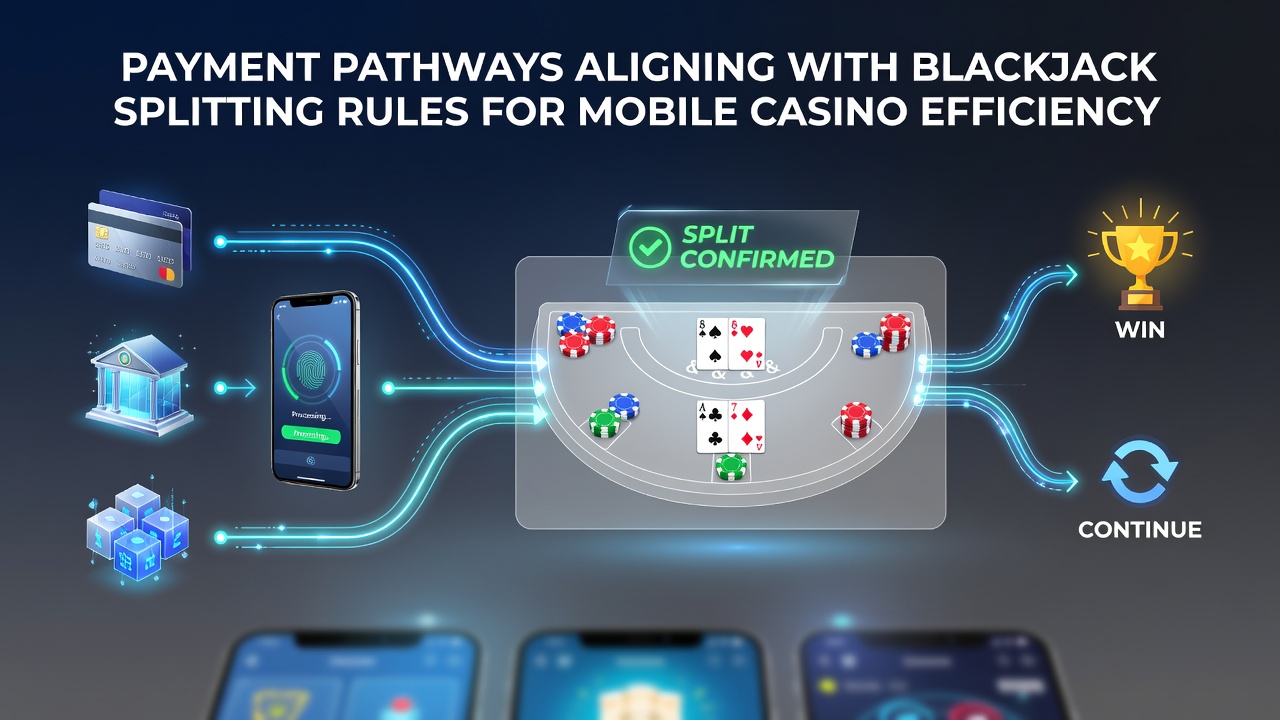
What's interesting is how certain digital wallet providers have adjusted their APIs to recognize blackjack-specific transaction codes. These codes flag split-related wagers separately from initial bets, enabling clearer reconciliation for both operators and financial institutions. One study released through the International Gaming Institute highlighted that platforms using such coded pathways experienced fewer declined transactions during high-frequency splitting sequences typical of video blackjack variants.
Technical Requirements for Efficient Pathway Alignment
Successful synchronization demands low-latency connections between the mobile client, game server, and payment gateway. Engineers achieve this through persistent sessions that keep payment tokens active for the duration of a single shoe or round cycle. Observers note that carriers supporting 5G networks show particular advantages here, as reduced ping times allow split confirmations to complete before the dealer proceeds to the next player action.
Security protocols remain central, with encryption layers applied to each incremental authorization. Regulatory frameworks in regions outside the UK, including those overseen by iGaming Ontario, require explicit player confirmation before any additional funds move during a split. This step prevents unintended wagers while still preserving the speed advantage of pre-linked pathways.
Case Examples From Operational Platforms
Take one operator that introduced a combined e-wallet and live blackjack module in early 2026. Session analytics revealed that players using the integrated pathway executed split decisions 28 percent more frequently than those relying on standard card deposits. The difference stemmed from immediate balance reflection, which eliminated the hesitation that occurs when funds appear delayed on screen.
Another deployment in a North American market paired a regional banking transfer service with mobile blackjack tables. Data collected over three months indicated that transaction failure rates during splitting dropped below 0.5 percent, a level previously seen only in non-split play. The improvement came from pre-validation routines that check available credit lines before the game even prompts the split option.
Future Developments in Pathway Synchronization
Industry groups such as the European Gaming and Betting Association continue to track how emerging standards for instant payments might further tighten the connection between financial rails and game logic. Prototypes under discussion include biometric-triggered authorizations that activate precisely when a player taps the split button, bypassing additional PIN entry. Such refinements would build on the July 2026 implementations already in place across several jurisdictions.
Conclusion
The convergence of payment infrastructure with blackjack splitting rules has produced measurable gains in mobile session efficiency. Platforms that embed authorization logic directly into game flow reduce friction at the exact moments players decide to divide pairs. Continued refinement of these connections, supported by regulatory bodies and technical standards organizations across multiple regions, points toward even tighter integration in subsequent platform updates.