Mapping Probability Layers via Digital Transfer Protocols in Portable Entertainment Ecosystems
Portable entertainment ecosystems rely on layered probability models that predict user preferences while digital transfer protocols move content across devices without interruption, and researchers track these interactions through system logs and performance metrics gathered across multiple platforms. Data from industry reports shows that mobile applications handling video streaming, music playback, and interactive media use probability calculations to adjust content delivery rates based on connection stability and user behavior patterns recorded in real time.
Core Components of Probability Layering
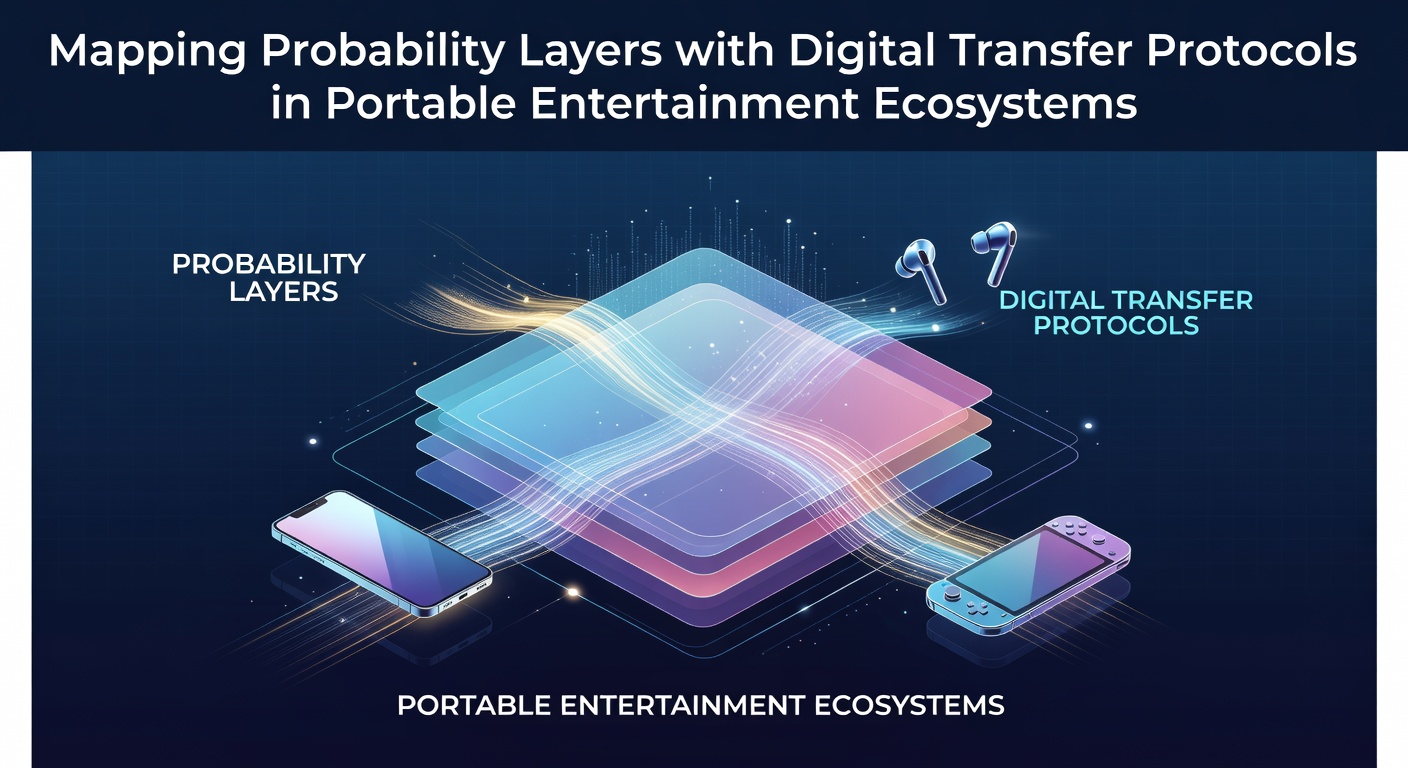
Probability layers operate as stacked analytical frameworks that assign likelihood scores to different content options and observers note how these scores update when network conditions change during a transfer session. Engineers design the base layer to handle raw device data such as battery level and available bandwidth while subsequent layers incorporate historical usage statistics to refine predictions. Studies conducted by academic teams at institutions like Stanford University reveal that such layering reduces buffering events by aligning content chunks with expected transfer success rates calculated from past sessions.
Digital transfer protocols including adaptive streaming standards and peer-to-peer synchronization methods supply the transport mechanisms that carry these probability-weighted packets across wireless networks. The integration occurs when protocol headers embed metadata about the probability scores so receiving devices can prioritize which segments to process first during periods of variable signal strength.
Protocol Integration in Mobile Environments
Systems built around 5G and Wi-Fi 6 standards demonstrate how probability mapping guides packet scheduling so higher-likelihood content reaches the user ahead of optional background elements. Figures released by the European Telecommunications Standards Institute indicate that optimized mappings improved average session continuity rates across tested portable devices in controlled trials completed before May 2026. Developers achieve this by feeding real-time protocol feedback into the upper probability layers which then recalculate priority queues without requiring full content reloads.
One documented case involved a major streaming service that adjusted its recommendation engine after analyzing transfer logs from millions of mobile sessions and the adjustments produced measurable gains in playback completion rates reported through quarterly performance summaries. Protocols such as QUIC further support these mappings by allowing independent stream handling that matches the layered probability outputs directly to separate data channels.

Performance Metrics and System Adaptations
Performance data collected from portable ecosystems shows that probability-adjusted transfers maintain consistent quality when devices move between network types and research papers published through the IEEE document similar patterns across different hardware configurations. The adaptations occur automatically as the system monitors protocol acknowledgments and updates probability values for remaining content segments accordingly.
Teams at research organizations including the National Institute of Standards and Technology have examined how these combined systems scale when thousands of users access entertainment libraries simultaneously and their findings highlight the role of modular probability layers in preventing congestion at transfer bottlenecks. Protocols evolve alongside these models through version updates that add fields for carrying additional probability metadata without increasing overall packet overhead.
Future Developments in Layered Mapping
Industry groups continue to test enhanced mapping techniques that incorporate machine learning outputs directly into protocol negotiation phases so devices can agree on transfer parameters before content movement begins. Reports compiled in May 2026 from multiple device manufacturers describe early implementations where probability layers influence codec selection and resolution choices based on predicted network paths. Such developments build on existing standards while introducing new interfaces that allow probability calculations to influence protocol behavior at lower levels of the network stack.
Analysts tracking adoption rates across regions note steady integration of these methods into both consumer applications and enterprise portable media solutions and the resulting systems deliver content selections that align more closely with measured transfer capabilities at each moment.
Conclusion
Mapping probability layers with digital transfer protocols creates functional links between predictive analytics and content movement in portable entertainment systems and ongoing technical work refines these connections through standardized interfaces and performance feedback loops. Data collected from deployed ecosystems continues to guide adjustments that maintain reliable delivery across changing network conditions while supporting expanding libraries of interactive and streaming media.