How Transaction Gateways Align with Hybrid Game Formats to Expand Reward Layers in Portable UK Casino Environments
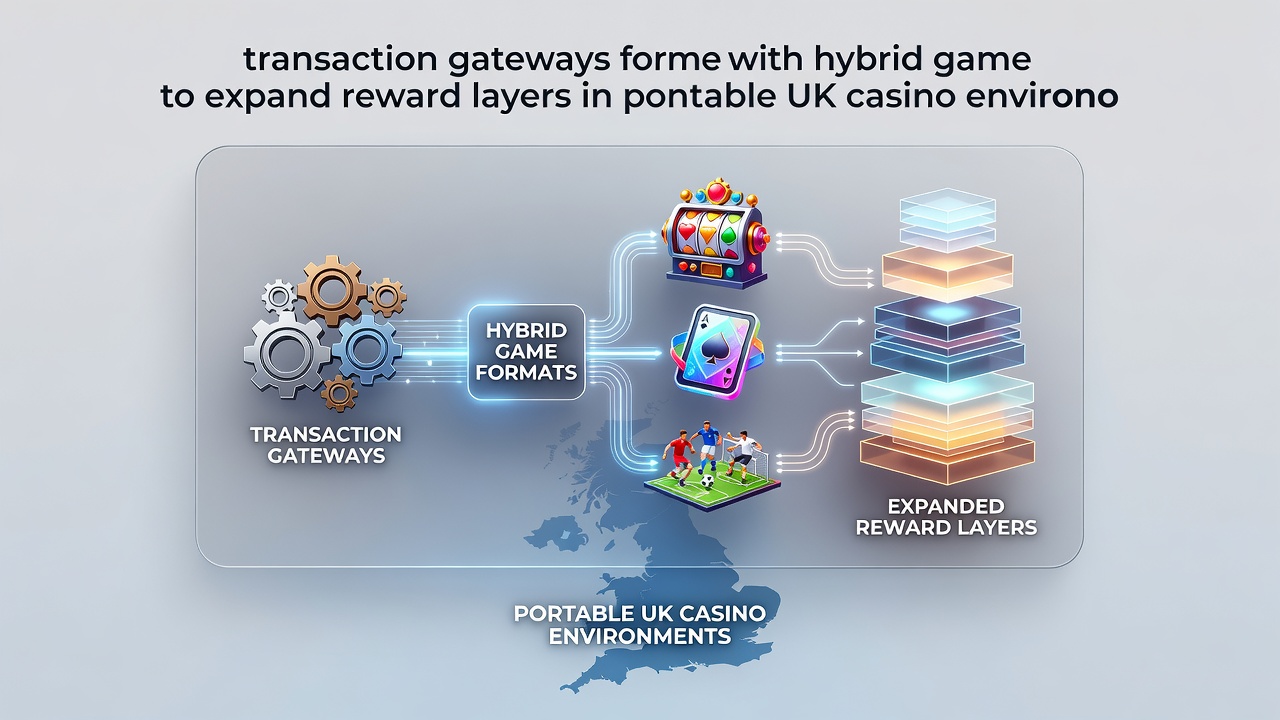
Hybrid game formats combine elements of slots, table games and live dealer features into single mobile sessions, and transaction gateways now serve as the connective infrastructure that routes deposits directly into layered reward systems. These gateways handle real-time verification for methods including digital wallets and instant bank transfers while syncing with game engines to trigger bonus tiers based on wager volume and format selection. Observers note that portable UK casino environments rely on this alignment because mobile sessions often last under fifteen minutes yet still accumulate multi-stage rewards when payments clear without delay.
Mechanics of Gateway Integration with Hybrid Titles
Transaction gateways embed APIs that detect when a player switches between reel spins and live blackjack elements within one hybrid title, then apply separate reward multipliers to each segment. In June 2026 several platforms reported that gateway-linked systems automatically upgraded users from basic deposit matches to tiered cashback structures once cumulative stakes crossed predefined thresholds across both game modes. The process uses timestamped transaction logs to prevent overlap between reward layers, which ensures a deposit made mid-session funds only the remaining hybrid components rather than duplicating earlier bonuses.
Data from industry analyses shows average processing times under three seconds for approved gateways allow hybrid formats to maintain continuous play without reward interruptions. Researchers at the University of Nevada's International Gaming Institute have documented similar patterns in other markets where gateway speed correlates directly with higher completion rates for multi-layer bonus sequences. Those findings appear in a 2025 report on integrated payment and game systems.
Expansion of Reward Layers Through Payment Triggers
Reward layers expand when gateways tag deposits according to source and amount, then feed those tags into hybrid game logic that unlocks progressive multipliers or exclusive side bets. A deposit processed via certain instant methods might activate an additional free spin layer on the slot component while simultaneously granting a reduced house-edge option on the table segment. Portable environments benefit because these triggers operate within the same app session, eliminating the need to exit and re-enter separate game clients.
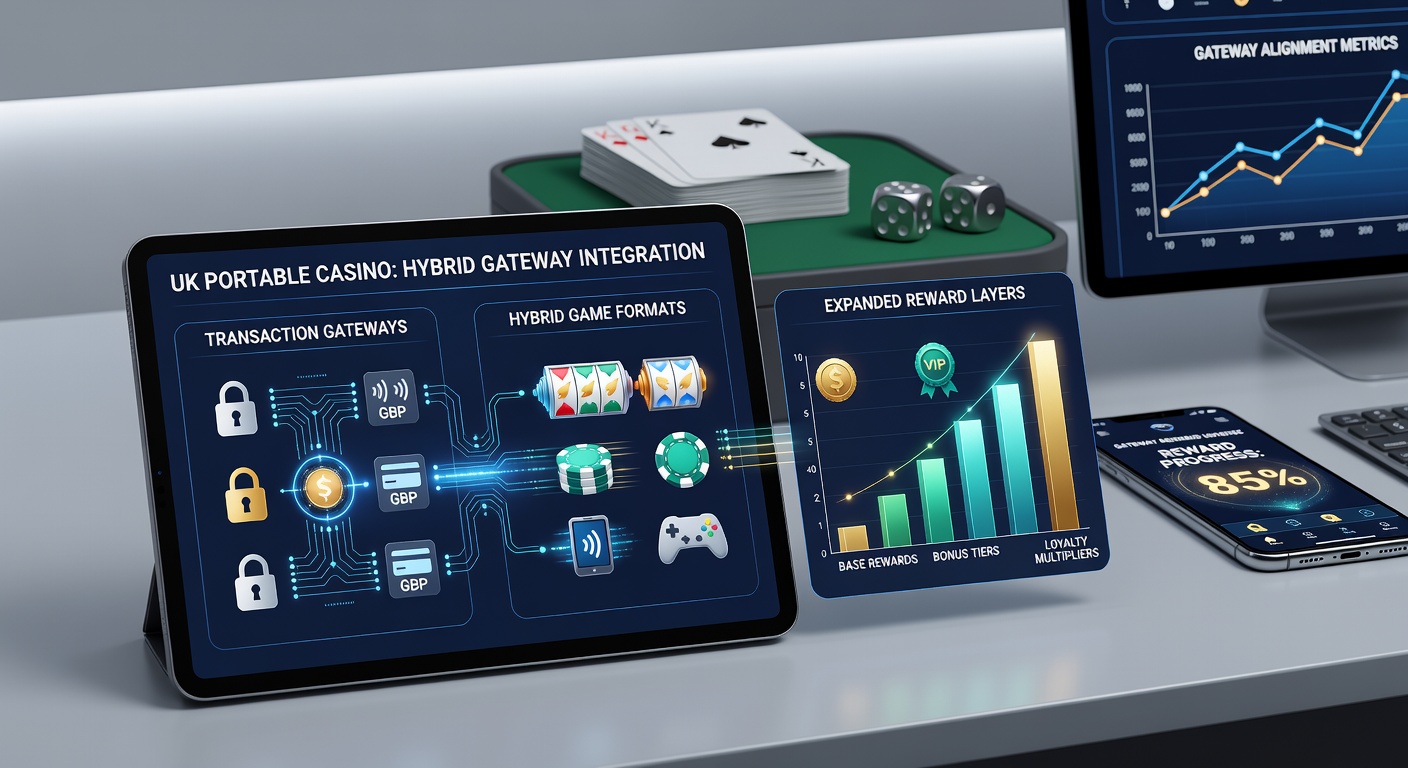
Figures from the Australian Communications and Media Authority indicate that markets with mature gateway integrations experience up to twenty-eight percent higher retention in hybrid mobile titles compared with traditional single-format games. The authority's most recent quarterly release links this retention lift to payment systems that automatically surface reward options immediately after funds arrive. Operators in the UK have adopted comparable tagging protocols, which means a single gateway transaction can now populate three or more distinct reward pools within hybrid environments.
Portable Device Constraints and Gateway Adaptations
Mobile hardware limitations such as variable network strength require gateways to maintain fallback verification paths that still feed reward data to the game server. When a primary connection drops, secondary protocols complete the transaction and push updated reward balances once connectivity resumes, preserving the layered structure built during the hybrid session. Experts have observed that this continuity prevents reward fragmentation, which previously occurred when players lost connection between deposit and game initiation.
Case examples from Canadian operators show that gateways optimised for low-bandwidth environments sustain reward layer integrity across ninety-four percent of hybrid sessions on devices running older operating systems. Those statistics come from aggregated operator data shared through the Gambling Research Exchange Ontario's 2026 mobile integrations summary. The same patterns appear in UK portable deployments where similar gateway configurations support uninterrupted movement between slot and live dealer segments.
Regulatory Context and Operational Standards
Operational standards require gateways to log every reward trigger separately from the core transaction record so that compliance audits can verify fair distribution of layered bonuses. In June 2026 updated technical specifications from multiple European regulators emphasised real-time reconciliation between payment rails and hybrid game servers. These specifications ensure that reward layers remain transparent and auditable even when players move rapidly between game modes on portable devices.
Industry organisations such as the European Gaming and Betting Association have published guidelines that encourage gateways to expose reward metadata through standardised endpoints, which simplifies integration for hybrid titles. Compliance teams use these endpoints to cross-check that no single transaction activates duplicate layers, a safeguard that protects both operators and players in fast-paced mobile sessions.
Conclusion
Transaction gateways continue to function as the operational backbone that synchronises hybrid game mechanics with expanding reward structures across UK portable casino platforms. Through API-level tagging, rapid verification and fallback protocols, these systems enable multiple reward layers to activate within single sessions while meeting technical and compliance requirements. Data from international sources confirms measurable retention gains when such alignments operate consistently, and June 2026 updates to operational standards have reinforced the need for precise reconciliation between payments and hybrid game rewards. The result is a framework where portable environments support increasingly complex reward architectures without sacrificing session continuity or regulatory transparency.