Digital Payment Systems and Incentive Structures for Table Games in Mobile Casino Environments
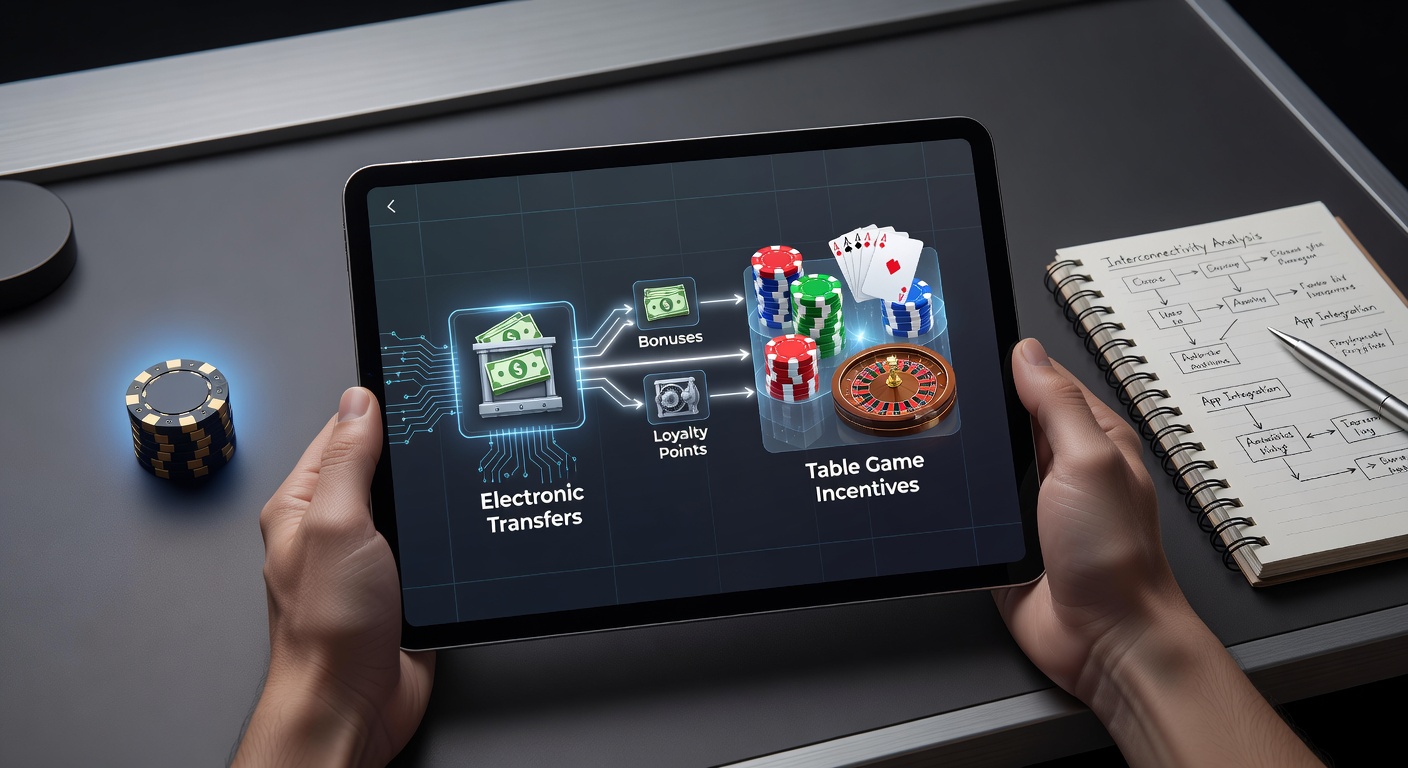
Electronic transfers have become central to how players access incentives tied to table games in handheld casino applications, and this connection shapes reward distribution across platforms. Systems that process deposits through digital wallets or bank integrations often trigger specific bonus mechanisms designed for variants such as blackjack, roulette, and baccarat. Data from industry analyses shows that these linkages allow operators to align payment speed with promotional eligibility, creating pathways where instant funding unlocks layered rewards for table play.
Mechanics of Electronic Transfers in Mobile Settings
Operators integrate electronic transfer protocols that connect directly to user accounts, enabling seamless movement of funds into casino balances while simultaneously activating table game incentives. These protocols include real-time verification steps that confirm transaction completion before bonus credits appear, and this process reduces delays that once separated deposits from playable rewards. Research indicates that applications using these methods report higher engagement rates with table sections because players receive immediate access to matched funds or free rounds tied to their chosen games.
Payment providers supply APIs that feed transaction data into casino management systems, where algorithms match transfer amounts to predefined incentive tiers. For instance, a deposit exceeding a set threshold may qualify a user for additional chips usable only on table games, and this automation maintains consistency across sessions. Figures from payment technology reports reveal that such integrations handle millions of transactions monthly, with success rates above 95 percent in major markets.
Incentive Models Linked to Transfer Activity
Table game incentives frequently depend on electronic transfer patterns, including deposit frequency and volume, which trigger progressive reward structures. Mobile applications track these patterns to issue bonuses that scale with continued use of digital funding methods, encouraging players to maintain activity within table environments rather than shifting to other categories. According to studies on gaming ecosystems, this approach results in measurable increases in table game session lengths when incentives activate promptly after transfers complete.
Some platforms layer time-limited offers onto transfer confirmations, granting players enhanced payout multipliers for specific table outcomes during promotional windows. These offers draw from transaction histories stored in secure databases, allowing the system to personalize incentives based on prior electronic activity. Observers note that regions with advanced digital payment adoption see greater variety in these models, as local regulations support faster settlement times that align with bonus release schedules.
Regional Patterns in Payment and Reward Integration
Markets in North America and Europe demonstrate distinct approaches to connecting electronic transfers with table incentives, where regulatory frameworks influence how quickly bonuses attach to funded accounts. In the United States, certain state-level oversight bodies permit operators to use verified digital channels that streamline both deposits and reward claims, leading to expanded table game offerings in mobile formats. A report from the American Gaming Association highlights growth in mobile table participation tied to these payment efficiencies.
Australian markets show similar trends, with electronic systems supporting cross-border transfers that unlock localized incentives for table variants popular in handheld apps. Data compiled by the Australian Institute of Criminology indicates that streamlined transfers correlate with sustained player interest in table sections, particularly when incentives reset on a monthly cycle aligned with transaction volumes. This pattern extends to Asia-Pacific regions, where mobile penetration amplifies the effect of instant funding on reward accessibility.

Technological Enablers and Data Flows
Backend systems in handheld applications rely on encrypted channels to move transfer data into incentive engines, ensuring that each electronic movement updates player profiles in real time. These engines apply rules that convert transfer metadata into eligibility flags for table-specific bonuses, and the result is a continuous loop where funding activity directly feeds promotional opportunities. Developers incorporate machine learning elements to predict which incentives will maximize table engagement based on historical transfer behaviors across user segments.
Security protocols maintain separation between payment ledgers and game servers while permitting necessary data exchanges for reward validation. This architecture prevents mismatches that could delay incentive delivery, adn testing by independent auditors confirms compliance with standards that protect transaction integrity. As of May 2026, updates to these protocols have incorporated additional verification layers that further tighten the link between electronic transfers and table game rewards without introducing noticeable friction for end users.
Future Trajectories for Integrated Systems
Emerging standards for digital payments suggest continued refinement of how transfers interact with table incentives, with potential expansions into cross-platform compatibility that allows rewards earned on one device to transfer seamlessly to another. Industry forecasts project that adoption of newer transfer technologies will expand the range of table games eligible for automated bonuses, creating denser interconnections across mobile ecosystems. Researchers from academic institutions studying digital economies have begun examining these dynamics to quantify long-term effects on player distribution across game types.
Conclusion
The interconnections between electronic transfers and table game incentives in handheld casino applications rest on synchronized data systems that convert funding events into targeted rewards. These systems operate across diverse regulatory landscapes, supported by technological frameworks that prioritize speed and accuracy. Evidence from multiple regions demonstrates consistent patterns where transfer efficiency enhances access to table incentives, shaping how mobile platforms structure their promotional offerings. Continued evolution in payment technologies will likely deepen these links, influencing the design of future mobile table environments.