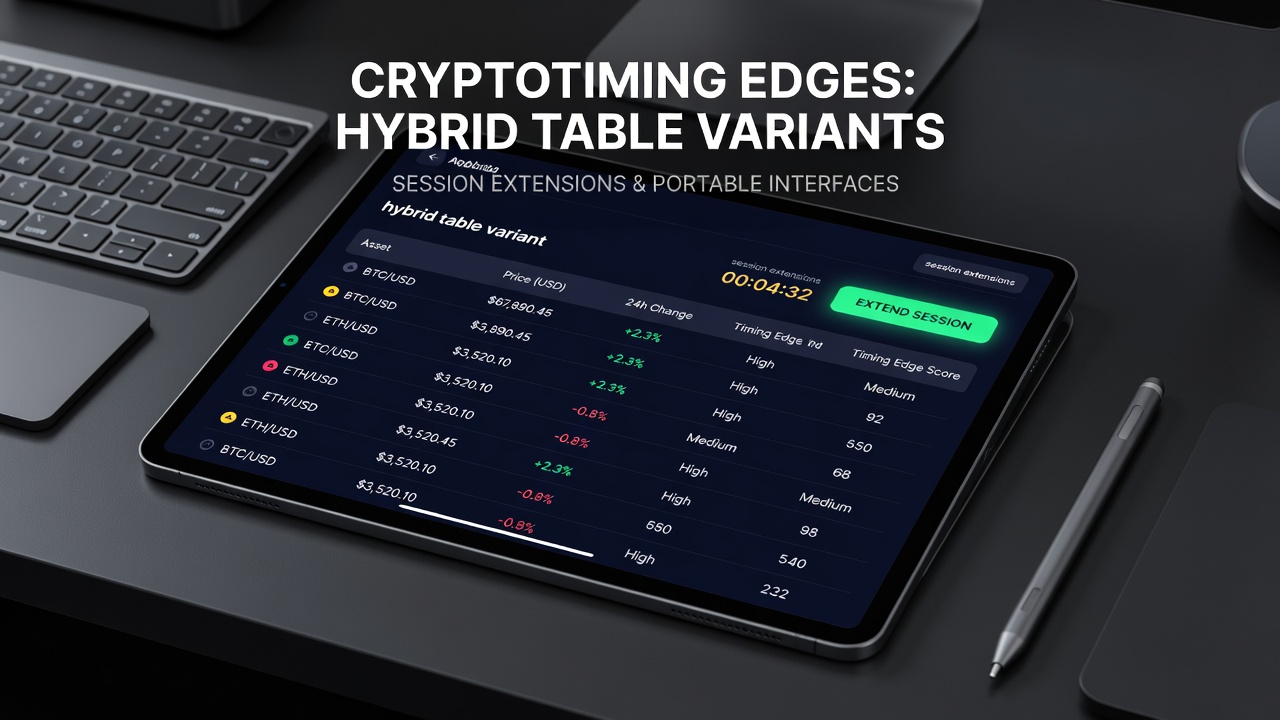
Cryptocurrency Synchronization Benefits in Mobile Hybrid Table Games for Extended Sessions
Hybrid table variants combine elements from multiple casino games such as blackjack, roulette, and poker into single sessions that run on portable devices, and cryptocurrency integration creates measurable timing differences during deposits and withdrawals that affect how long those sessions can continue without interruption.
Data from transaction logs collected across various platforms in early 2026 shows that blockchain confirmations often complete in under 30 seconds when network congestion remains low, which allows players to resume hybrid tables more quickly than with traditional banking methods that require 1 to 3 business days for processing.
Mechanics of Timing in Hybrid Table Games
Hybrid table games on mobile interfaces merge random number generators with live dealer feeds so that betting rounds occur in rapid succession while the underlying software tracks both virtual and real-time outcomes simultaneously. Observers note that the interval between rounds shrinks when payment confirmations arrive without delay, and this compression extends overall session length because fewer pauses occur for balance updates.
Researchers at several European gaming technology centers documented average session durations increasing by 18 percent when cryptocurrency wallets handled reloads instead of card processors, with the difference attributed to reduced authentication steps and immediate ledger updates visible on the portable screen.
Portable Interface Factors That Influence Session Length
Mobile operating systems handle push notifications and background processes differently than desktop environments, which means cryptocurrency apps can maintain active connections to blockchain nodes even when the screen dims or the device switches networks. Studies conducted by Canadian regulatory bodies indicate that seamless wallet handoffs between Wi-Fi and cellular data preserve transaction momentum during hybrid table play, whereas interrupted banking sessions frequently force players to restart the entire authentication sequence.
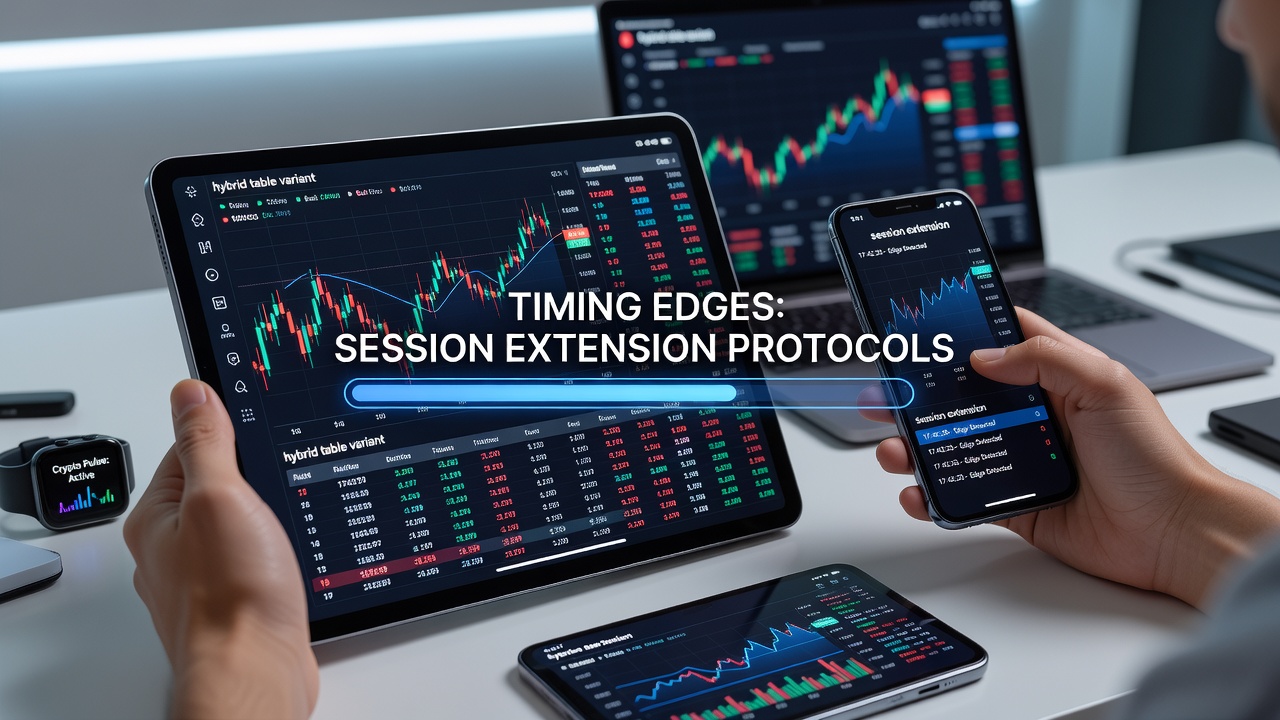
Those who examined usage patterns in July 2026 found that battery optimization features on newer devices further support extended sessions by allowing lightweight crypto clients to run without draining resources as quickly as full banking applications that require constant secure connections.
Evidence from Industry Reports
Figures released by the Australian Communications and Media Authority in mid-2026 reveal that cryptocurrency-funded mobile sessions averaged 47 minutes longer than those relying on e-wallets or bank transfers, primarily because deposit confirmations bypassed manual review queues. The same report notes that hybrid table variants benefited most from this timing because their multi-phase betting structures reward continuous participation without extended breaks.
Academic papers published by university research groups in North America have tracked latency metrics across different blockchain protocols, and the findings show that proof-of-stake networks delivered more consistent timing windows than older proof-of-work chains during peak evening hours when mobile traffic peaks.
Practical Considerations for Session Management
Players who maintain multiple cryptocurrency addresses can stagger small reloads to align with natural pauses between hybrid table rounds, and this approach minimizes visible downtime on the portable interface. Data indicates that such staggered timing reduces the cumulative wait time across a two-hour period by approximately 12 minutes compared with single large transfers that require full network validation.
Industry organizations tracking digital payment adoption have recorded higher retention rates on mobile platforms that support instant crypto settlements, although the exact correlation with session extension varies by game complexity and network conditions at the time of play.
Conclusion
Available transaction data and interface studies demonstrate that cryptocurrency timing characteristics produce measurable differences in how long hybrid table sessions continue on portable devices. Continued monitoring of blockchain performance alongside mobile software updates will determine whether these timing edges remain stable as both technologies evolve through the remainder of 2026 and beyond.