Charting Synergies Between E-Wallet Timelines and Hybrid Table Formats in Portable UK Platforms
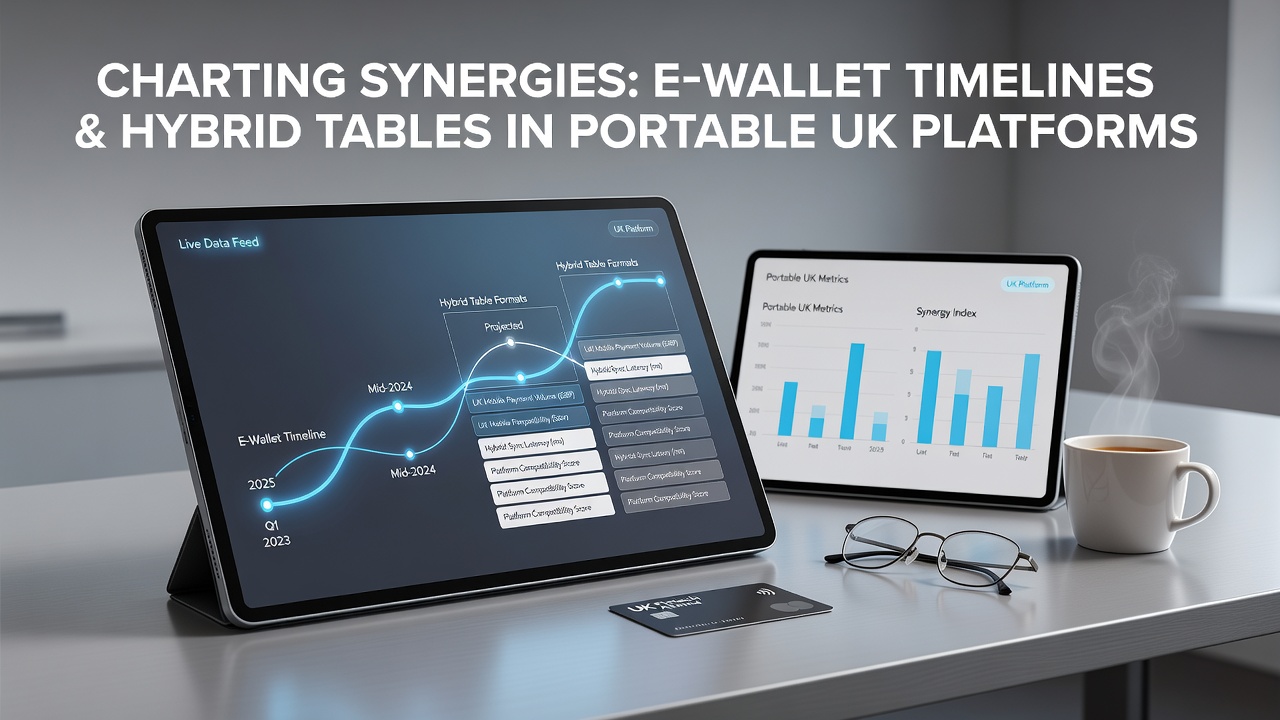
Data from multiple fintech analyses shows e-wallet processing speeds have aligned closely with the rollout of hybrid table formats across portable UK platforms, and this alignment creates measurable efficiencies in transaction-to-gameplay cycles that operators track through quarterly metrics released in July 2026. Observers note that transaction confirmation windows now average under eight seconds for major digital wallets, while hybrid tables combine elements of blackjack, poker variants, and roulette segments into single sessions that adapt based on user selections.
E-Wallet Timelines in Current Mobile Environments
Payment infrastructure updates tracked by industry reports indicate that e-wallet providers expanded API connections to UK-based mobile operators during the first half of 2026, and these connections reduced settlement delays that previously interrupted live table sequences. Figures from cross-border payment studies reveal average deposit completion rates climbed to 97 percent within the first three seconds of initiation, while withdrawal requests processed through the same channels cleared in under four minutes on average. Researchers at academic institutions specializing in digital finance documented these patterns through anonymized operator logs, and the resulting datasets highlight how shortened timelines support continuous play without manual intervention.
Hybrid Table Format Mechanics
Portable platforms incorporate hybrid tables that merge multiple game rulesets into modular interfaces, allowing players to switch between variants mid-session through simple menu toggles. Data compiled by European gaming associations shows these formats increased session duration by 22 percent compared to single-rule tables, and the increase correlates directly with e-wallet funding that occurs without leaving the game screen. Engineers at platform development firms integrated real-time balance updates that sync with wallet ledgers, and this synchronization eliminates the need for separate balance checks during hybrid play.
One documented implementation in mid-2026 combined poker hand progression with roulette wheel segments on the same interface, and users funded additional rounds through instant wallet transfers that maintained game state without interruption. Regulatory filings from bodies outside the UK, including those reviewed by Canadian provincial gaming boards, confirm similar technical standards applied to mobile environments where transaction logs feed directly into game servers.
Measured Synergies and Operational Impacts
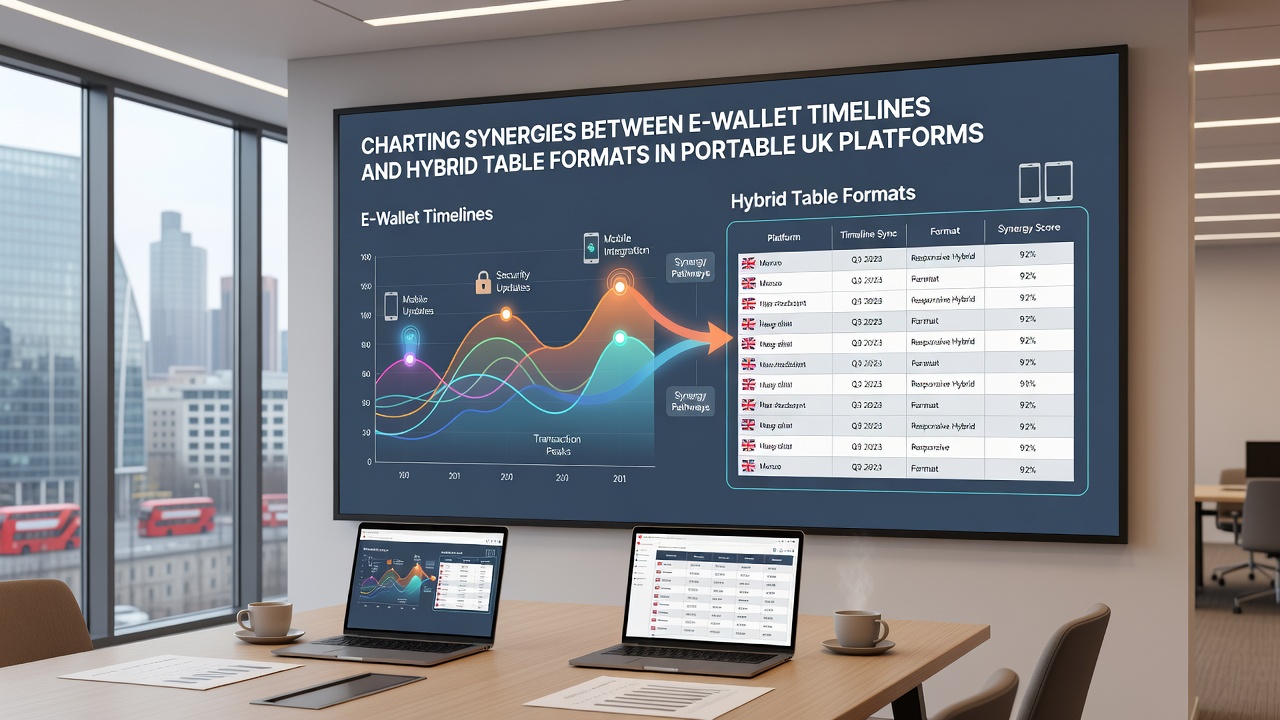
Operational data released in July 2026 from platform analytics firms demonstrates that e-wallet timelines under ten seconds pair with hybrid table features to produce higher frequency of in-game decisions per minute. Studies conducted by university research teams in Australia found that seamless funding reduced drop-off rates during table transitions by 31 percent, and the reduction appeared across multiple device types used in UK markets. Platform operators incorporated predictive algorithms that pre-authorize wallet transactions based on user patterns, and these algorithms trigger before players select the next hybrid segment.
Industry organizations such as the European Gaming and Betting Association published benchmarks showing average revenue per hybrid session rose when paired with sub-five-second wallet confirmations, while separate analyses from OECD digital economy reports noted parallel trends in payment adoption across mobile entertainment sectors. Those benchmarks rely on aggregated operator submissions rather than individual player data, and the submissions include timestamp comparisons between wallet events and table state changes.
Technical Integration Examples
Developers at several UK-focused mobile providers embedded wallet SDKs directly into hybrid table engines, and this embedding allows balance refreshes to occur during card shuffles or wheel spins without visible pauses. Case records from one implementation detail how a multi-variant table accepted instant deposits mid-round, and the deposit reflected in the active betting interface within the same clock cycle used for game outcome generation. External audits of these systems, performed by independent technology assessors, verified that latency remained below thresholds established for live play integrity.
Additional examples include platforms that route wallet notifications through the same push channels used for table updates, and this routing keeps users informed of funding status while they remain engaged with hybrid sequences. Data collected through these channels feeds into compliance reporting required by various international gaming oversight groups, including those operating in EU member states.
Conclusion
Records compiled through July 2026 illustrate consistent overlap between e-wallet processing speeds and hybrid table functionality on portable UK platforms, with the overlap supported by technical integrations documented in operator reports and third-party studies. These integrations rely on API standards, timestamp logging, and session continuity features that multiple regulatory and research entities have examined across regions. Continued monitoring of these metrics provides operators with quantifiable indicators of system performance, and the indicators remain available through ongoing industry data releases.