British Live Gaming Trends: The Role of Payment Processing Times in User Engagement
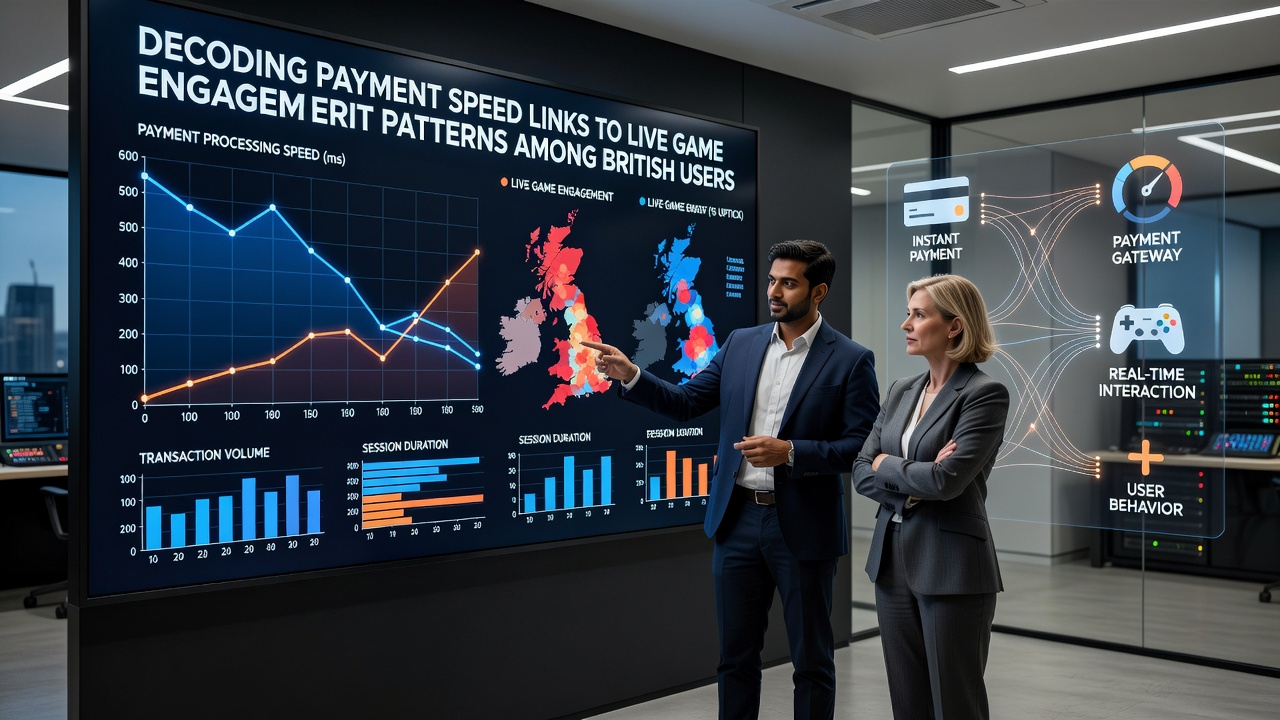
Payment processing times connect directly to how British users interact with live dealer games, and recent analyses from multiple markets reveal measurable patterns in session length, frequency, and game type selection. Data collected through operator reports and third-party analytics platforms indicate that faster transaction approvals correlate with extended play periods in real-time formats such as roulette, blackjack, and baccarat. Observers note these connections emerge most clearly when users switch between instant deposit methods and live table environments, where delays can interrupt momentum while quick confirmations sustain participation.
Payment Methods and Their Typical Processing Windows
Electronic wallets, bank transfers, and card-based options each carry distinct approval speeds that shape daily engagement routines. E-wallets often complete deposits within seconds, allowing immediate entry into live sessions, whereas traditional bank transfers may require several minutes or longer during peak hours. Research indicates that players who favor quicker options tend to initiate multiple short sessions throughout the day rather than committing to single extended blocks. This pattern holds across various age groups and geographic regions within the United Kingdom, though regional differences appear when comparing urban centers with higher digital adoption rates against more rural areas.
Analysts tracking transaction logs have identified consistent spikes in live game logins immediately following instant deposit confirmations. Those who've examined aggregated datasets point out that users receiving funds within under thirty seconds show higher retention rates in live dealer rooms compared to those experiencing waits exceeding two minutes. The difference becomes particularly evident during evening hours when live tables reach peak capacity and competition for seats intensifies.
Engagement Patterns Across Live Game Categories
Live roulette tables demonstrate the strongest association between deposit speed and prolonged participation, with data revealing that rapid funding often leads to additional rounds before players exit. Blackjack sessions follow a similar trajectory, though the effect appears slightly less pronounced when players employ structured betting systems that require periodic pauses for strategy adjustments. Baccarat attracts a distinct subset of users who prioritize seamless entry over extended dwell time, yet even here quicker payments align with more frequent table switches.
Studies conducted by academic institutions such as those affiliated with University of Nevada research groups highlight parallel behaviors in other regulated markets, suggesting the relationship between transaction velocity and live engagement transcends single jurisdictions. British users display comparable tendencies, especially when mobile applications integrate one-click funding options that bypass traditional verification delays.
Seasonal and Regulatory Influences Emerging in Mid-2026
June 2026 brought updated reporting requirements from several oversight bodies that emphasized transparency in transaction timelines, prompting operators to publish clearer metrics on average processing durations. These disclosures allow researchers to cross-reference payment data with engagement statistics more precisely than before. Observers note increased scrutiny on how processing speeds affect responsible gaming measures, particularly when rapid deposits coincide with extended live sessions that exceed typical duration thresholds.
Industry reports compiled during this period show that platforms offering guaranteed sub-minute processing for select methods recorded measurable upticks in live table occupancy rates. Meanwhile, users who encountered occasional delays during system maintenance windows demonstrated temporary shifts toward slot-based alternatives before returning to live formats once speeds normalized.
Mobile Integration and Real-Time Decision Making
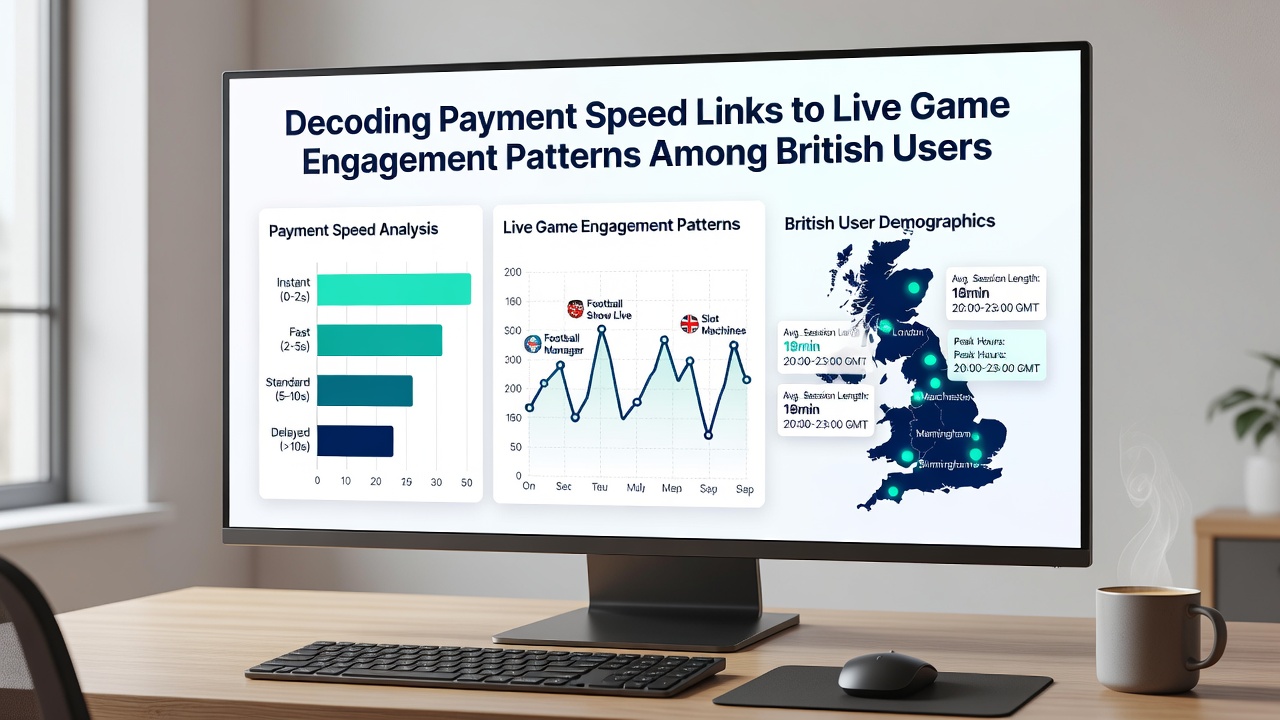
Mobile applications amplify the connection between payment speed and live game choices because users often decide on the fly whether to join a table or switch games. When deposits process without interruption, participants move fluidly between formats, testing different stakes and table limits within single login periods. Slower confirmations, by contrast, frequently result in abandoned carts or redirected activity toward non-live options that do not require synchronized timing.
Those monitoring user flow data emphasize that push notifications confirming successful deposits serve as effective triggers for immediate live game entry. The timing of these alerts matters, with notifications arriving within fifteen seconds of initiation linked to higher conversion into active tables. Patterns also surface around bonus activation, where instant funding enables seamless application of promotional credits to live wagers without additional steps.
Cross-Market Comparisons and Data Sources
Evidence from regulatory frameworks outside the United Kingdom, including analyses released by Australian gambling research centers, supports the observation that transaction speed influences live engagement across diverse player bases. Although regulatory environments differ, the underlying behavioral signals remain consistent when payment infrastructure achieves similar efficiency levels. British datasets align with these international findings, particularly in metrics tracking repeat visits to live dealer sections following rapid deposits.
Demographic breakdowns reveal that younger cohorts aged eighteen to thirty-four exhibit the most pronounced response to processing speed variations, while older groups maintain steadier engagement regardless of minor delays. Income brackets and preferred device types further modulate these outcomes, with desktop users showing slightly greater tolerance for processing waits compared to smartphone players.
Conclusion
Connections between payment processing velocity and live game participation among British users rest on observable patterns documented across operator reports, academic reviews, and regulatory disclosures through June 2026. Faster approvals align with longer sessions and higher table-switching frequency, while delays correlate with reduced continuity in live environments. These relationships hold across multiple game categories and device types, providing operators and analysts with concrete metrics for optimizing transaction pathways. Continued monitoring of these dynamics will likely yield additional insights as payment technologies and regulatory standards evolve in parallel.