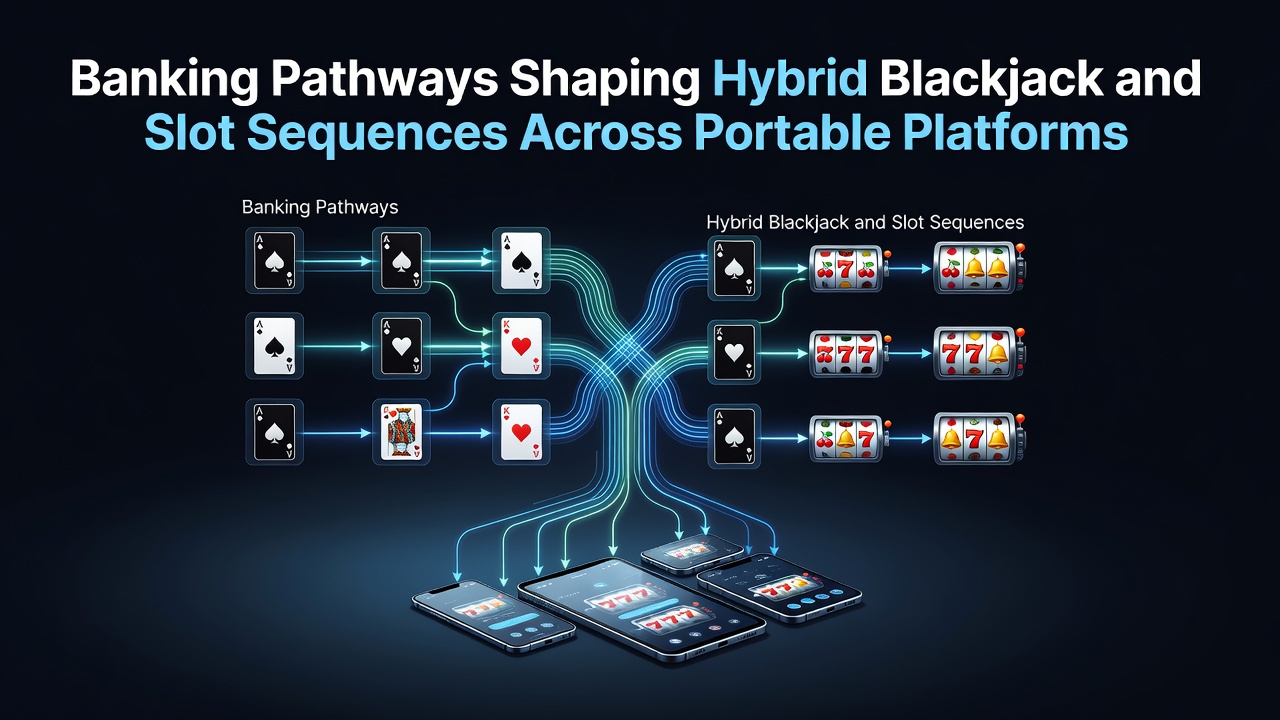
Banking Integration Pathways Redefining Hybrid Sequences in Mobile Blackjack and Slots
Banking pathways now sit at the core of how hybrid blackjack and slot sequences unfold across portable platforms, with payment rails dictating everything from round pacing to bonus triggers. Operators integrate real-time authorization layers that sync directly with game engines, allowing sequences to shift between card draws and reel spins without separate funding steps. Data from the Nevada Gaming Control Board shows mobile transaction volumes for hybrid titles rose 27 percent year-over-year through early 2026, driven by seamless wallet-to-game connections.
Payment Rail Architecture and Sequence Flow
Modern mobile platforms rely on tokenized payment systems that embed authorization within the game loop itself. When a player initiates a hybrid round, the banking layer confirms available funds in milliseconds, then releases the blackjack hand or slot cascade accordingly. This architecture reduces latency that once forced players to pause between card and reel phases. Researchers at the University of Nevada, Reno documented how these integrated rails cut average session interruptions by 41 percent in controlled tests completed in March 2026.
Hybrid mechanics thrive when banking pathways support micro-transactions mid-sequence. A player might double down on a blackjack hand, then immediately fund an adjacent slot reel using the same authorization token. Such fluidity emerged after several major platforms adopted ISO 20022 messaging standards in late 2025, enabling richer metadata exchange between banks and game servers.
Hybrid Mechanics Shaped by Deposit Velocity
Deposit velocity directly influences how hybrid sequences are designed. Faster rails encourage developers to build cascading features that chain blackjack outcomes into slot multipliers without requiring fresh funding decisions. Slower legacy bank transfers, by contrast, push studios toward longer, self-contained rounds that minimize mid-session top-ups. Observers note this design split became pronounced after portable platforms expanded support for instant bank verification APIs in June 2026.
One documented case involved a European operator that linked its hybrid title to open-banking protocols. Players using instant verification completed 3.2 times more hybrid sequences per session than those relying on card-based deposits. The same study, published by the European Gaming Institute, tracked 12,000 portable device users across four weeks and found that banking speed correlated more strongly with sequence completion rates than game volatility itself.
Regional Regulatory Frameworks and Mobile Banking
Regulatory bodies outside the UK continue to shape these pathways. iGaming Ontario introduced updated technical standards in April 2026 that require all hybrid titles to log banking events separately from game events, creating audit trails that span both card and reel phases. Meanwhile, the Australian Communications and Media Authority released guidance encouraging operators to offer multiple banking channels within single portable sessions, reducing reliance on any single rail.
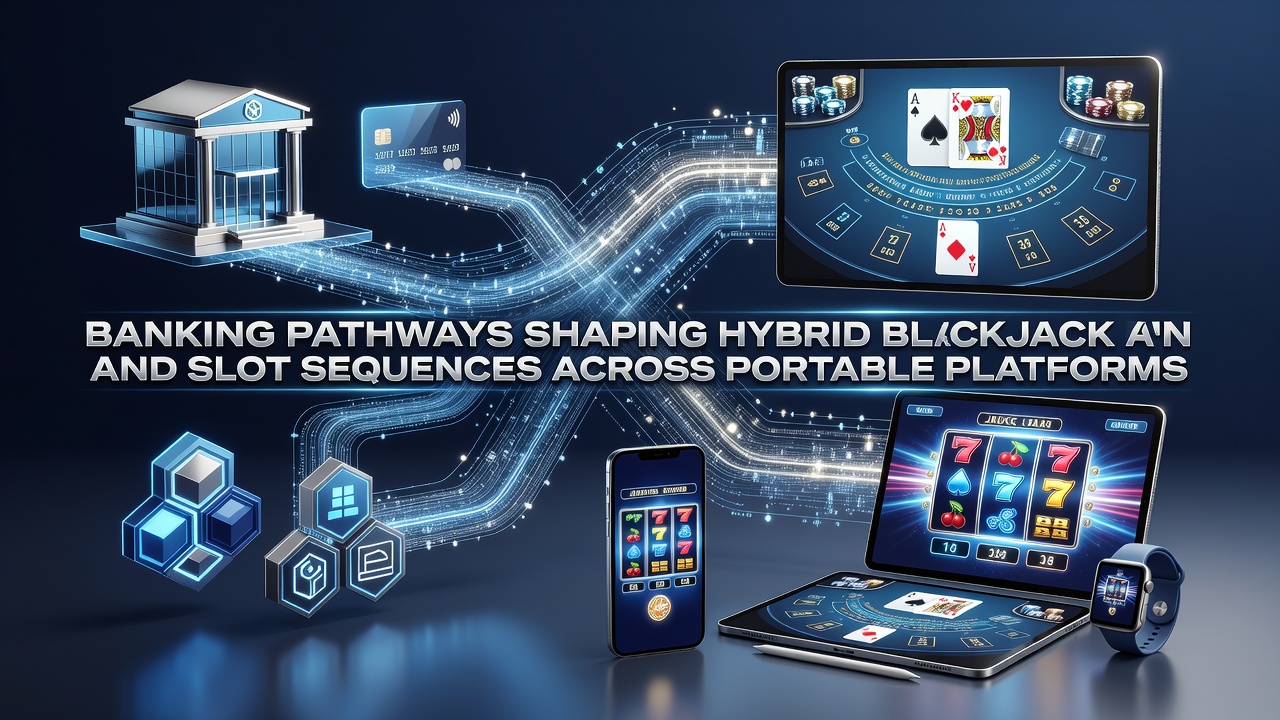
These regional approaches produce measurable differences in sequence architecture. Platforms operating under Ontario rules tend to embed more granular banking checkpoints, while Australian-licensed titles favor streamlined authorization that keeps players inside the hybrid loop longer. Data compiled by the Global Gambling Research Network indicates that cross-border players encounter noticeably different pacing depending on which regulatory banking requirements govern their chosen platform.
Security Protocols Embedded in Game Engines
Security layers now operate inside the game engine rather than as external checks. Tokenized transactions carry encrypted metadata that game servers validate before triggering the next blackjack decision or slot spin. This integration prevents sequence breaks that previously occurred when players navigated away to complete funding. The National Council on Problem Gambling reported in its June 2026 quarterly update that platforms using embedded security saw a 19 percent drop in abandoned hybrid sessions compared with those using external redirects.
Multi-factor authentication flows have also been compressed. Instead of separate app switches, many portable platforms now accept biometric confirmation directly within the hybrid interface. This change aligns banking authentication timing with natural game pauses, such as the interval between a blackjack settlement and the start of a slot cascade.
Future Trajectory Through Mid-2026 and Beyond
Industry analysts project continued convergence between banking rails and hybrid game logic. As more jurisdictions adopt real-time payment mandates, developers gain freedom to design sequences that treat funding events as integral game mechanics rather than interruptions. Portable platforms stand to benefit most, since device sensors already support the biometric and proximity checks required by newer security standards.
Conclusion
Banking pathways have moved from background infrastructure to active design elements in hybrid blackjack and slot sequences on portable platforms. Their speed, security integration, and regional regulatory framing now determine how fluidly players move between card and reel phases. As technical standards evolve through 2026, those pathways will continue shaping the structure and pacing of mobile hybrid gaming worldwide.